Herbal Supplements For A Healthier Life

Botanical & Identity

Botanical Name

Syzygium aromaticum

Common Names

Clove, Clove Bud

Plant Family

Myrtaceae

Part Used

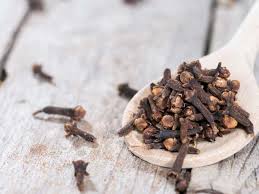
Dried flower buds (also essential oil)

Taste Profile

Hot, pungent, sweet, aromatic

Energetics

Warming, stimulating, drying
Clove

Summary & Classification

Short Summary

Clove is a powerful aromatic spice and medicinal herb with antimicrobial, analgesic, and digestive properties. It is most famous for relieving toothache pain and supporting oral health but is also widely used in digestive, antifungal, and anti-parasitic applications.

Herb Actions

antimicrobial, antiparasitic, carminative, antifungal, warming digestive

Herbal Category

digestive support, oral health, antimicrobial defense

Medicine System

ayurveda, western, traditional chinese medicine

Active Ingredients

Eugenol (70–90%)
,
β-caryophyllene
,
Acetyl Eugenol
,
Tannins
,
Flavonoids
.

Chemistry & Effectiveness

Active Ingredients

Mechanism of Action

Eugenol exerts strong antiseptic, antifungal, and local anaesthetic actions. It numbs nerve endings, reduces inflammation, and inhibits microbial growth. The volatile oils stimulate digestion and relieve gas and bloating

Modern Applications

Used for toothache, gum infections, digestive complaints, candida, intestinal parasites, colds, and as a topical antiseptic.

Traditional Uses & Preparation

Traditional Uses

Used in Ayurvedic and Chinese medicine for oral infections, colds, nausea, and as a digestive aid. Western herbalists used clove in liniments, digestive tonics, and wound treatments

Preparation & Usage

Used as dried powder, whole buds, tincture, or essential oil. Often blended into teas or applied topically

Recommended Dosage

Powder: 200–500 mg/day; Tincture: 1–2 ml, 2–3x/day; Oil: 1–2 drops diluted for topical use or in dental applications.

Safety & Warnings

Contraindications

Avoid undiluted oil on skin or mucosa; not for long-term high-dose use internally

Drug Interactions

May potentiate anticoagulants and antiplatelets

Pregnancy & Lactation

use only under professional supervision.

Side Effects

Undiluted oil may cause skin or mucous membrane irritation. High doses may lead to gastrointestinal upset or liver strain

Scientific & Source Info

Scientific References

– Chaieb, K. et al. (2007). Antibacterial activity of clove essential oil against respiratory pathogens. – Prashar, A. et al. (2006). Analgesic and anti-inflammatory effects of clove oil in animal models.

Sourcing Notes

Sourced from dried unopened flower buds of Syzygium aromaticum, mostly grown in Indonesia and Madagascar. Look for organic, high-eugenol content for medicinal use.

Product Linkage

Used In Products

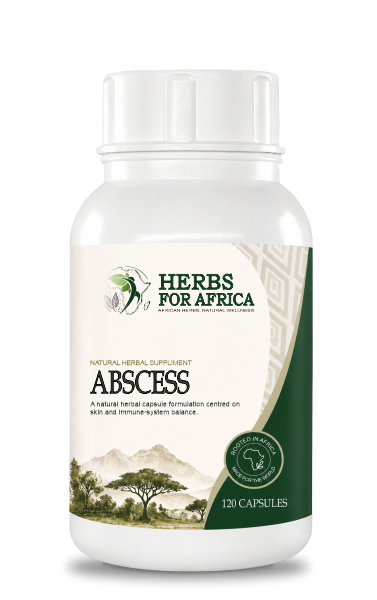
Abscess 120’s

R440.00