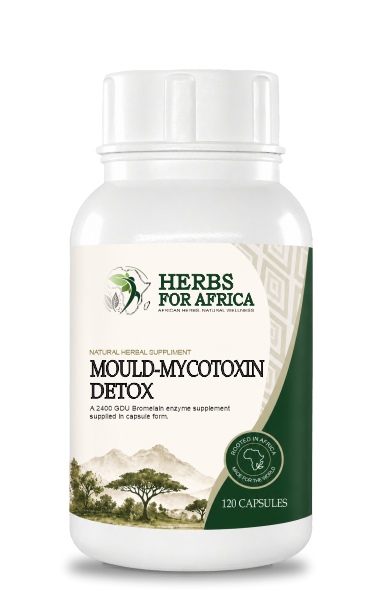
R440.00




Our Mould-Mycotoxin Detox Supplement is a comprehensive natural formula designed to support the body’s ability to eliminate mould, fungal overgrowth, and mycotoxins, while protecting tissues from the associated inflammation and oxidative damage. This advanced blend includes herbs, nutrients, and natural compounds that assist with detoxification, disrupt microbial biofilms, support liver and gut health, and promote immune system resilience.
It targets both environmental mould exposure and internal fungal imbalances, enhancing the clearance of harmful toxins while strengthening the body’s barriers, reducing inflammation, and supporting recovery from the systemic effects of chronic mould and mycotoxin exposure
2-4 x capsules 3x daily
with meals
Children over 6-12 years:
1x Capsule daily
Children over 12-16 years:
1x Capsule 3x daily according to age.
Ingredients as traditionally used for this supplement contain a carefully balanced combination of traditional botanical extracts. Key herbs in the formula include:
Activated Charcoal
Berberine Hydrochloride
Bidens pilosa
Christmas Bush
Cryptolepsis
Cumin Black
Fulvic Acid
Garlic
Grapefruit Extr
N-Acetyl L-Cysteine
Olive Leaf
Psyllium seed
Quercetin
Turmeric
Walnut Shells black
Wormwood
Vit A, C, D3, E
Zinc
Other African Herbs
Ingredients Traditionally used for this supplement
Activated Charcoal: Binds mycotoxins in the gut, prevents reabsorption, and assists elimination, reducing systemic toxic burden during mould detox.
Bearberry Leaves: Provides antimicrobial action, assists elimination of microbes, and supports urinary tract health during mould detoxification.
Berberine Hydrochloride: Broad-spectrum antimicrobial, disrupts biofilms, enhances gut health, and assists detoxification during mould and mycotoxin clearance.
Blackjack - Bidens pilosa: Inhibits microbial growth, reduces inflammation, and enhances immune clearance of mould-associated pathogens and toxins.
Christmas Bush: Reduces microbial load, disrupts biofilms, and supports immune defence against pathogens sheltered by mould-associated biofilms.
Cryptolepsis: Potent antimicrobial, disrupts biofilms, and supports elimination of microbial infections linked to mould illness.
Cumin Black seed: Reduces inflammation, modulates immunity, and provides antimicrobial support relevant to microbial imbalances linked to mould toxins.
Fulvic Acid: Disrupts biofilms, chelates environmental toxins, and supports cellular detoxification pathways relevant to mould exposure.
Garlic: Provides strong antimicrobial and biofilm-disrupting action, assisting clearance of microbial overgrowth linked to mould illness.
Grapefruit Extract: Disrupts microbial biofilms, enhances detoxification, and supports gut health during mould and mycotoxin exposure.
Lion's Mane: Supports neurological resilience, enhances mucosal healing, and assists cognitive function during mould-related neurotoxicity.
N-Acetyl L-Cysteine: Disrupts biofilms, boosts glutathione production, and enhances mycotoxin clearance from tissues.
Olive Leaf: Provides antimicrobial support, reduces microbial burden, and protects tissues from oxidative damage linked to mould exposure.
Psyllium Seed: Binds mycotoxins in the gut, enhances bowel transit, and reduces reabsorption during detoxification.
Quercetin: Reduces inflammation, stabilises mast cells, and protects tissues from oxidative stress linked to mycotoxins.
Turmeric: Reduces inflammation, supports detox pathways, and enhances resilience to oxidative stress from mycotoxins.
Vitamin A: Enhances mucosal defences, supports epithelial integrity, and protects against mould toxin damage.
Vitamin C: Reduces oxidative stress, supports collagen synthesis, and assists immune function during mould detox.
Vitamin D3 - Cholecalciferol: Modulates immune responses, enhances tissue repair, and reduces inflammation linked to mould exposure.
Vitamin E: Protects tissues from oxidative damage, reduces inflammation, and supports healing during mould illness.
Walnut Leaves (Black): Reduces microbial overgrowth, supports gut health, and assists detoxification during mould exposure.
Walnut Shells (Black) Husks: Disrupts biofilms, assists microbial balance, and supports elimination of mould-associated pathogens.
Zinc: Enhances immune resilience, supports gut barrier integrity, and assists tissue repair during mould and mycotoxin detox.
Not suitable for pregnant or breastfeeding women.
People using blood thinning medication, use with care.
Protect from sunlight.
Store below 25°c.
Practitioner’s Technical Info
Mould & Mycotoxins
Mould refers to various species of fungi that grow in damp, humid environments, producing microscopic spores that can easily spread through the air. While some moulds are harmless, others release mycotoxins, toxic chemical by-products that pose significant health risks when inhaled, ingested, or absorbed through the skin.
Mycotoxins are invisible, chemically stable compounds produced by moulds like Aspergillus, Penicillium, Fusarium, and Stachybotrys. These toxins can contaminate indoor environments (walls, ceilings, air conditioning) and food sources (grains, nuts, dried fruit, coffee, etc.).
Once inside the body, mycotoxins disrupt cellular function, impair detoxification, trigger chronic inflammation, damage the nervous and immune systems, and contribute to fatigue, cognitive dysfunction, respiratory issues, and long-term illness.
Mould and mycotoxin exposure is a distinct health concern separate from Candida or other internal fungal overgrowths, though both involve fungal elements. Mould illness typically stems from environmental exposure combined with the systemic absorption of mycotoxins, requiring targeted detoxification and immune support.
Breakdown of the symptoms for Mould Exposure and Mycotoxin Toxicity, as they often overlap but also have distinct characteristics:
Mould Exposure Symptoms
Caused primarily by inhalation or skin contact with airborne mould spores.
Mycotoxin Toxicity Symptoms
Caused by internal absorption of toxic mould by-products through air, food, or skin.
Summary
In reality, most people with chronic mould illness experience both to varying degrees, especially when exposure is prolonged or severe.
How People Get Mould & Mycotoxins:
Mould and mycotoxins enter the body primarily through inhalation of spores, ingestion of contaminated food, or skin contact with mould-infested materials. Common sources include damp or water-damaged buildings, mouldy walls, carpets, basements, air conditioning units, as well as contaminated grains, nuts, coffee, and spices. Poor ventilation and hidden leaks in homes or workplaces significantly increase exposure risk.
Where They Are Stored in the Body:
After absorption, mycotoxins travel through the bloodstream and accumulate in fat-rich tissues such as the brain, liver, nervous system, and adipose tissue. Due to their fat-soluble nature, they readily cross cell membranes and are particularly prone to building up in areas with high lipid content, including the myelin sheaths of nerves.
How They Get There:
Inhaled or ingested mycotoxins and spores enter the respiratory or digestive tracts and pass into circulation. Lipophilic mycotoxins penetrate cell membranes and blood-brain barriers, allowing them to reach vital organs. If detoxification pathways in the liver and kidneys are overwhelmed, the toxins remain in circulation and deposit into fatty tissues.
How Long They Stay:
The body may store mould and mycotoxins for months or years, depending on exposure levels and detoxification efficiency. In individuals with genetic detox weaknesses, poor liver or kidney function, or continued exposure to contaminated environments, these toxins can persist indefinitely, continuously affecting immune function, neurological health, and overall well-being.
Table of Mould Types, their Mycotoxins, Common Sources, and Health Effects
| Type of Mould | Associated Mycotoxins | Common Sources | Health Effects |
| Acremonium | Toxins not well-characterized | Humidifiers, cooling coils, drain pans, drywall | Chronic fatigue, eye irritation, immune suppression, skin infections |
| Alternaria | Alternariol, Altertoxins | Vegetables, fruits, outdoor air, carpets | Respiratory allergies, asthma worsening, skin irritation, eye inflammation |
| Aspergillus | Aflatoxins, Ochratoxin A, Gliotoxin | Grains, nuts, coffee, damp buildings, air vents | Liver damage, immune suppression, cancer risk, fatigue, respiratory problems |
| Chaetomium | Chaetoglobosins | Damp drywall, carpets, wallpaper, water-damaged wood | Respiratory irritation, immune suppression, skin rashes, nail infections |
| Cladosporium | Unknown specific mycotoxins, allergenic compounds | Air ducts, textiles, windowsills, bathrooms | Asthma, allergic reactions, sinus infections, respiratory irritation |
| Fusarium | Trichothecenes, Zearalenone, Fumonisins | Grains, cereals, soil, animal feed | Hormonal disruption, immune suppression, gut damage, reproductive problems |
| Penicillium | Ochratoxin A, Citrinin, Patulin | Water-damaged buildings, cheeses, grains, fruits | Kidney damage, immune dysfunction, allergic reactions, respiratory irritation |
| Stachybotrys (Black Mould) | Trichothecenes, Satratoxins | Water-damaged walls, ceilings, insulation, wood | Severe respiratory irritation, bleeding, neurological issues, immune suppression |
| Trichoderma | Trichodermin, Trichothecenes | Soil, building materials, damp cellulose | Immune dysfunction, lung infections, skin inflammation, gut disturbances |
| Ulocladium | Similar to Alternaria toxins | Wet surfaces, bathrooms, basements, windows | Respiratory irritation, sinus issues, allergy symptoms, skin rashes |
List of each major Mycotoxin
Aflatoxins:
Produced by Aspergillus flavus and Aspergillus parasiticus, especially in warm, humid climates. Commonly contaminate maize, peanuts, tree nuts, spices, dried fruits, and oils. Highly lipophilic, accumulate in the liver, and persist for weeks to months. Potent hepatotoxins and carcinogens, they cause DNA damage, impair liver detoxification enzymes (CYP450), suppress immunity, promote liver cancer, and contribute to childhood stunting.
Alternariol:
Originates from Alternaria species, found in cereals, oilseeds, tomatoes, apples, and processed foods. Lipophilic, accumulates in fatty tissues and can cross the placental barrier. Causes DNA strand breaks, interferes with estrogen receptors, disrupts endocrine function, and increases oxidative stress at the cellular level.
Beauvericin:
From Fusarium species, present in maize, wheat, rice, and other grains. Lipophilic and cell membrane-active, integrating into phospholipid bilayers. Exhibits ionophoric action, disrupting cellular ion gradients, leading to apoptosis, mitochondrial dysfunction, and immune dysregulation.
Citrinin:
Produced by Penicillium and Aspergillus species, contaminating cereals, rice, maize, and cheeses. Bioaccumulates in renal tissue, where it interferes with mitochondrial oxidative phosphorylation. Causes nephrotoxicity, oxidative stress, and mitochondrial damage, contributing to kidney dysfunction.
Deoxynivalenol (DON) / Vomitoxin:
A trichothecene from Fusarium graminearum, found in wheat, barley, oats, maize. Hydrophilic, but impairs gut barrier function, facilitating systemic exposure. Potently inhibits protein synthesis by binding to the 60S ribosomal subunit, causes nausea, vomiting, intestinal inflammation, immune suppression, and impairs nutrient absorption.
Enniatins:
Produced by Fusarium species, detected in grains and cereals. Lipophilic ionophores integrate into cellular membranes, disturbing ion homeostasis. Cause mitochondrial dysfunction, cytotoxicity, and suppress cellular immunity, particularly affecting gut and epithelial barriers.
Fumonisins:
From Fusarium verticillioides, major contaminants of maize. Structurally resemble sphingolipids, disrupting sphingolipid metabolism and cell membrane integrity. Accumulate in liver and kidneys. Associated with neural tube defects, hepatotoxicity, nephrotoxicity, and possible esophageal cancer risk.
Gliotoxin:
A secondary metabolite of Aspergillus fumigatus, prevalent in indoor mould exposure. Highly reactive, crosses cellular membranes and bioaccumulates in immune cells. Potent immunosuppressant, induces T-cell apoptosis, impairs macrophage activity, exacerbates fatigue, and respiratory illness.
Moniliformin:
Produced by Fusarium species, contaminating maize and cereals. Water-soluble, distributed to muscle and heart tissues. Inhibits pyruvate dehydrogenase, disrupts energy production, leading to cardiotoxicity, muscle weakness, and metabolic dysfunction.
Mycophenolic Acid:
Produced by Penicillium species, also used pharmaceutically as an immunosuppressant. Found in spoiled grains, cheeses, and indoor air. Inhibits inosine monophosphate dehydrogenase, suppressing T- and B-cell proliferation, compromising immune surveillance.
Neosolaniol:
A type A trichothecene from Fusarium species, present in cereals. Hydrophilic, affects gastrointestinal tissues. Inhibits protein synthesis, damages intestinal lining, suppresses immune function, and causes neurological symptoms at higher exposure levels.
Ochratoxin A:
Produced by Aspergillus and Penicillium species, contaminating cereals, coffee, dried fruit, wine, spices. Lipophilic, bioaccumulates in kidneys, liver, and fatty tissues. Nephrotoxic, carcinogenic, immunosuppressive, disrupts protein synthesis, induces oxidative stress, linked to chronic kidney disease and cancer.
Patulin:
From Penicillium, Aspergillus, and Byssochlamys species, present in mouldy apples, juices, and fruits. Hydrophilic, rapidly absorbed. Causes gastrointestinal irritation, DNA damage via oxidative stress, and impairs gut epithelial integrity.
Satratoxins:
Highly toxic trichothecenes from Stachybotrys chartarum ("black mould"), common in damp buildings. Lipophilic, target respiratory epithelium and immune cells. Inhibit protein synthesis, cause severe respiratory inflammation, immune suppression, neurological effects, and mucosal damage.
T-2 Toxin:
A potent trichothecene from Fusarium species, in grains like wheat and oats. Rapidly absorbed, accumulates in liver, spleen, and bone marrow. Inhibits protein synthesis, disrupts cell membranes, suppresses immunity, damages gut, skin, and nerves. Used historically as a biological weapon.
Trichodermin:
Produced by Trichoderma species, associated with mouldy building materials. Targets respiratory tract, disrupts protein synthesis, causes immune suppression, airway irritation, and worsens mould-related illness.
Trichothecenes (General Group):
Produced by Fusarium, Stachybotrys, Trichoderma. Include DON, T-2, Satratoxins, Neosolaniol. Inhibit protein synthesis, impair gut, immune, and nervous systems, cause inflammation, fatigue, and barrier dysfunction.
Verruculogen:
From Penicillium and Aspergillus species, present in cereals, coffee, and contaminated environments. Lipophilic neurotoxin, alters potassium channels, disrupts nerve conduction, contributes to tremors, dizziness, and neurological impairment.
Zearalenone:
An estrogenic mycotoxin from Fusarium species in maize and grains. Lipophilic, accumulates in reproductive tissues. Mimics estrogen, disrupts hormone balance, causes infertility, menstrual irregularities, reproductive cancers, and endocrine dysfunction.
How do you know which one you have?
Identifying which specific mould or mycotoxin you have been exposed to is clinically challenging, but possible through a combination of symptom assessment, environmental testing, and laboratory diagnostics. Here's a clear breakdown:
How do you Know Which Mould or Mycotoxin You Have
✔ 1. Environmental Testing (The First Clue):
The type of mould in your home, workplace, or food source often points to the mycotoxins present.
✔ 2. Symptom Patterns Suggest Likely Toxins:
While not foolproof, certain symptoms often correlate with specific mycotoxins:
✔ 3. Medical Laboratory Testing:
Specialized functional medicine labs offer mycotoxin urine tests, which identify specific toxins your body is excreting.
Well-known mycotoxin panels include:
✔ 4. Blood and Organ Function Markers (Indirect Clues):
Elevated liver enzymes, kidney markers, inflammatory cytokines, or immune dysregulation on blood tests can hint at specific toxin burdens.
✔ 5. Food Source History:
Summary:
The only definitive way to know which mycotoxin you personally have is through a combination of:
✅ Environmental testing of your home or food
✅ Symptom patterns
✅ Confirmatory urine mycotoxin tests
Why would someone seek medical help after getting mould or mycotoxins? what makes it different from other diseases?
People often seek medical help for mould and mycotoxin exposure because these toxins create complex, multisystem illness that is often misdiagnosed or overlooked, making it more difficult to resolve than many common diseases.
Unlike typical infections that produce clear, short-term symptoms, mould and mycotoxin-related illness tends to present as chronic, vague, and overlapping symptoms that affect multiple systems in the body simultaneously. The following factors make it different from other illnesses and often drive people to seek medical assistance:
These factors make mould and mycotoxin illness more complex, hidden, and persistent than typical infections or inflammatory conditions, prompting people to seek specialized medical help after other treatments fail to resolve their symptoms.
How is this associated with Autoimmune Disorders?
Mould and mycotoxin exposure is increasingly recognized as a trigger and contributor to autoimmune diseases, largely due to the way these toxins disrupt the immune system and damage tissue integrity.
Here’s how the association occurs:
Examples of Autoimmune Conditions Associated with Mould/Mycotoxins:
In summary, mould and mycotoxin exposure can act as both a trigger and perpetuator of autoimmune disease by disrupting immune regulation, damaging tissues, and increasing inflammation. This connection underscores the importance of addressing mould and toxin burden in individuals struggling with autoimmune conditions.
What is the timeline for all these moulds & mycotoxins from developing to critical stage? What happens in-between?
The timeline for mould and mycotoxin exposure progressing from initial contact to a critical health stage varies depending on several factors, including the type and concentration of exposure, genetic susceptibility, and overall health. Below is a typical progression timeline and what happens during each stage:
0 – 24 Hours: Initial Exposure
1 – 7 Days: Early Accumulation & Inflammatory Response
2 – 6 Weeks: Systemic Disruption Phase
6 Weeks – 6 Months: Chronic Phase & Organ Impact
6 Months – Years: Critical Stage
Summary of What Happens In-Between:
Note:
Some individuals progress rapidly within weeks, especially with high toxin exposure or genetic susceptibility. Others may take months or years, especially with intermittent, low-level exposure.
Early intervention (removing exposure, supporting detoxification, repairing tissue damage) significantly slows or reverses progression toward critical stages.
Here is a stage-specific table showing how our Mould & Mycotoxin Detox Capsule ingredients support the body at each stage of mould and mycotoxin progression:
Stage 1: Initial Exposure (0 – 24 Hours)
Goal: Bind toxins, support immediate immune response,
reduce inflammation
| Function | Supporting Ingredients |
| Toxin Binding | Activated Charcoal, Fulvic Acid, Psyllium Seed |
| Immediate Immune Support | Echinacea Herb, Olive Leaf, Garlic, Goldenseal |
| Anti-inflammatory Support | Turmeric, Licorice Root, Quercetin, Vitamin C, Vitamin E |
| Gut Protection (Mucosa) | Slippery Elm, Aloe Marlothii, L-Glutamine, Yarrow |
Stage 2: Early Accumulation & Inflammatory Response (1 – 7 Days)
Goal: Support liver detox, manage inflammation, reduce microbial load
| Function | Supporting Ingredients |
| Liver Detox Support | Milkthistle, Dandelion, Yellow Dock, Taurine, Fulvic Acid |
| Microbial & Fungal Control | Berberine Hydrochloride, Blackjack, Grapefruit Extract, Wormwood, Origanum (Oregano), Pau D’Arco |
| Inflammation Modulation | Turmeric, Quercetin, Cancerbush, Cumin Black Seed, Reishi Mushrooms |
| Biofilm Disruption | N-Acetyl L-Cysteine, Garlic, Cryptolepsis, Goldenseal |
| Gut Barrier Integrity | Slippery Elm, Aloe Marlothii, L-Glutamine, Licorice Root |
Stage 3: Systemic Disruption Phase (2 – 6 Weeks)
Goal: Deep immune support, mitochondrial protection, tissue repair
| Function | Supporting Ingredients |
| Mitochondrial & Energy Support | Cordyceps, Lion’s Mane Mushrooms, Vitamin B Complex (B12 from diet), Taurine |
| Immune Modulation | Reishi Mushrooms, Olive Leaf, Garlic, Blackjack, Cryptolepsis |
| Brain & Nerve Protection | Lion’s Mane Mushrooms, Quercetin, Turmeric, Zinc Gluconate |
| Liver & Kidney Detox | Milkthistle, Dandelion, Yellow Dock, Neem Tree Leaves |
| Continued Toxin Binding | Activated Charcoal, Fulvic Acid, Psyllium Seed, Bilberry |
Stage 4: Chronic Phase & Organ Impact (6 Weeks – 6 Months)
Goal: Deep detox, autoimmunity modulation, inflammation control,
gut and tissue repair
| Function | Supporting Ingredients |
| Autoimmune Modulation | Turmeric, Quercetin, Reishi Mushrooms, Cancerbush, Licorice Root |
| Deep Detox Support | Milkthistle, Yellow Dock, Fulvic Acid, N-Acetyl L-Cysteine |
| Fungal & Microbial Balance | Berberine Hydrochloride, Olive Leaf, Wormwood, Cryptolepsis, Pau D’Arco |
| Gut Healing & Leaky Gut Repair | L-Glutamine, Slippery Elm, Aloe Marlothii, Plantain |
| Neurological Protection | Lion’s Mane Mushrooms, Bilberry Berries, Zinc Gluconate |
Stage 5: Critical Stage (6 Months – Years)
Goal: Restore immune function, neurological protection,
long-term detox, chronic inflammation management
| Function | Supporting Ingredients |
| Neurological & Cognitive Support | Lion’s Mane Mushrooms, Bilberry Berries, Zinc, Quercetin |
| Immune System Recovery | Blackjack, Reishi Mushrooms, Echinacea, Cancerbush, Cordyceps |
| Long-term Detox Pathways | Milkthistle, N-Acetyl L-Cysteine, Fulvic Acid, Yellow Dock |
| Inflammation Control | Turmeric, Quercetin, Reishi Mushrooms, Garlic, Cumin Black Seed |
| Tissue Repair & Barrier Function | Aloe Marlothii, L-Glutamine, Slippery Elm, Licorice Root |
Summary
Our formula offers comprehensive support across all stages by addressing:
✔ Immediate toxin binding
✔ Liver and kidney detox support
✔ Fungal and microbial control
✔ Inflammation management
✔ Immune modulation
✔ Gut barrier and tissue repair
✔ Neurological and cognitive protection
How to Prevent Mould & Mycotoxin Exposure
✔ Environmental Control
✔ Dietary Awareness
✔ Home Testing & Remediation
✔ Personal Immune Support
✔ Workplace Caution
✔ Travel Awareness
In short: Prevention relies on maintaining dry, well-ventilated environments, proper food storage, home testing, immune support, and reducing high-risk exposures.
Table listing Mould species, their associated Mycotoxins, and Foods that Support Recovery and Foods that Worsen the Condition
| Mould Species & Mycotoxins | Foods that Support Recovery | Foods that Worsen Condition |
| Alternaria Alternariol, Alternariol Monomethyl Ether, Tenuazonic Acid | Cruciferous vegetables (broccoli, cabbage), turmeric, garlic | Peanuts, grains stored in damp conditions |
| Aspergillus flavus Aflatoxin B1, B2 | Green tea, turmeric, milk thistle, leafy greens | Peanuts, maize, tree nuts, cooking oils from contaminated crops |
| Aspergillus parasiticus Aflatoxin B1, B2, G1, G2 | Sulforaphane-rich foods (broccoli sprouts), garlic, citrus fruits | Corn, rice, dried fruits, contaminated nuts |
| Aspergillus fumigatus Gliotoxin, Fumigaclavine C, Verruculogen | Garlic, oregano, fermented vegetables (moderate amounts) | Mouldy grains, stored coffee, compost-exposed foods |
| Aspergillus niger Ochratoxin A, Fumonisins | Green leafy vegetables, antioxidants (berries, turmeric) | Stored grapes (raisins), wine, coffee, dried fruits |
| Aspergillus ochraceus Ochratoxin A | Spirulina, chlorella, garlic, fibre-rich vegetables | Cereal grains, dried fruits, coffee, wine |
| Cladosporium Cladosporin (minor) | Anti-inflammatory foods (turmeric, green vegetables), garlic | Damp-stored grains, nuts, poorly stored fruits |
| Fusarium graminearum Deoxynivalenol, Zearalenone, Nivalenol, T-2 Toxin | Cruciferous vegetables, milk thistle, omega-3 sources | Wheat, maize, barley, cereals, pasta |
| Fusarium verticillioides Fumonisins B1, B2, B3 | Turmeric, broccoli, high-fibre vegetables, garlic | Maize, processed corn products, tortilla chips |
| Penicillium verrucosum Ochratoxin A | Spirulina, antioxidant-rich fruits, sulphur-containing vegetables | Grains, cereals, contaminated cheese, wine, dried fruits |
| Penicillium expansum Patulin | Vitamin C-rich fruits (lemons, berries), leafy greens | Rotten apples, apple juice, fruit stored too long |
| Penicillium citrinum Citrinin | Garlic, broccoli sprouts, green tea, detox-supportive herbs | Cheese, contaminated grains, rice |
| Stachybotrys chartarum (Black Mould) Trichothecenes (Satratoxin H, Roridin E), Spirocyclic Lactones | Broccoli sprouts, NAC, turmeric, garlic | Water-damaged foods, contaminated grains, damp-stored produce |
| Trichoderma Trichodermin, Trichodermol | Antioxidant vegetables, sulphur-rich foods, immune-supportive herbs | Contaminated grains, poorly stored cereal products |
Ingredients which are traditionally used for this disorder
Technical info:
Activated Charcoal: Contains porous carbon structures that physically bind toxins, including mycotoxins, in the gastrointestinal tract. Through adsorption, it traps these molecules, preventing their reabsorption and facilitating elimination via the stool. It does not chemically neutralize toxins but reduces systemic exposure by blocking intestinal uptake.
African Potato (Hypoxis): Provides hypoxoside, which converts to rooperol, a potent antioxidant and immune modulator. Rooperol scavenges free radicals generated by mould toxins and enhances macrophage and natural killer cell activity, supporting immune resilience during chronic mould exposure.
Aloe Marlothii: Rich in anthraquinones like aloin and emodin, along with polysaccharides. Anthraquinones provide mild antimicrobial and antifungal activity, while polysaccharides coat and repair gastrointestinal mucosa, enhancing gut barrier integrity and reducing mycotoxin absorption.
Andrographis Paniculata: Contains andrographolides, diterpenoid lactones with potent anti-inflammatory, antimicrobial, and immune-stimulating properties. Andrographis downregulates NF-κB and pro-inflammatory cytokines, enhances macrophage activation, and assists in reducing microbial and fungal burden exacerbated by mould exposure.
Barberry Bark: High in berberine, an isoquinoline alkaloid that disrupts microbial cell membranes, inhibits biofilm formation, and modulates gut microbiota. Berberine enhances liver detoxification enzymes, supporting clearance of both mycotoxins and microbial byproducts.
Bearberry Leaves (Uva Ursi): Contains arbutin, which converts to hydroquinone with antimicrobial action, particularly in the urinary tract. While primarily targeting urinary pathogens, its systemic antimicrobial properties contribute to reducing microbial imbalances during mould illness.
Berberine Hydrochloride 98%: A concentrated alkaloid with broad-spectrum antimicrobial, antifungal, and biofilm-disrupting properties. Berberine modulates inflammatory pathways, supports bile flow, enhances gut microbiome stability, and assists in breaking down fungal biofilms protective of mould colonies.
Bilberry Berries: Rich in anthocyanins and proanthocyanidins, which stabilise collagen structures, reduce oxidative damage, and improve microvascular circulation. Bilberry protects tissues from oxidative injury caused by mycotoxins and enhances vascular resilience.
Blackjack (Bidens pilosa): Provides polyacetylenes, flavonoids, and antimicrobial alkaloids that inhibit microbial and fungal growth, disrupt biofilm formation, and modulate inflammatory cytokines. Blackjack assists in immune activation and biofilm clearance associated with mould and fungal infections.
Buchu: Contains volatile oils, quercetin, and diosmin, which exhibit antimicrobial, anti-inflammatory, and diuretic properties. Buchu supports renal elimination pathways, assisting the body in clearing water-soluble mycotoxins via the kidneys.
Burdock Root: Contains inulin, polyphenols, and lignans that promote lymphatic drainage, liver detoxification, and toxin binding. Burdock supports elimination of circulating mycotoxins and provides mild antimicrobial activity.
Calendula (Marigold): Provides triterpenoid saponins and flavonoids that reduce inflammation, enhance epithelial healing, and offer mild antimicrobial effects. Calendula assists in repairing mucosal linings damaged by fungal overgrowth or toxin irritation.
Cancerbush: Contains canavanine and flavonoids that modulate immune responses, reduce inflammation, and enhance stress resilience. Cancerbush assists in immune recovery and regulation, often disrupted by mould illness.
Cayenne Pepper: Rich in capsaicin, which improves circulation, enhances nutrient delivery to tissues, and mildly stimulates digestive processes. Cayenne supports detoxification indirectly by increasing blood flow to elimination organs.
Chamomile Flowers: Provides apigenin and bisabolol, flavonoids with anti-inflammatory, calming, and mild antimicrobial effects. Chamomile soothes gastrointestinal irritation, reduces inflammation, and supports sleep, aiding recovery from mould exposure.
Christmas Bush: Contains gallotannins, alkaloids, and phenolic acids with potent antimicrobial and biofilm-disrupting properties. It assists in clearing microbial colonies and biofilms that protect mould and fungal pathogens.
Cinnamon: Rich in cinnamaldehyde and eugenol, providing antifungal, antibacterial, and anti-inflammatory actions. Cinnamon disrupts fungal cell membranes, inhibits mould growth, and improves circulation, supporting systemic detoxification.
Cordyceps sinensis: Contains cordycepin and polysaccharides that enhance macrophage and natural killer cell activity, support mitochondrial function, and reduce inflammation. Cordyceps enhances immune surveillance during mould-related immune suppression.
Coriander: Provides linalool and flavonoids that exhibit mild antimicrobial, antioxidant, and digestive-supportive properties. Coriander assists in gentle toxin elimination and supports gut microbial balance during mould detox.
Cryptolepsis: Contains cryptolepine, an indoloquinoline alkaloid that intercalates DNA, inhibits replication, and disrupts fungal and bacterial biofilms. Cryptolepsis assists in clearing persistent fungal infections and biofilm-protected mould colonies.
Cumin (Black Seed): Provides thymoquinone, a potent anti-inflammatory, antioxidant, and antimicrobial compound. Thymoquinone reduces fungal burden, inhibits biofilm formation, and modulates immune responses exacerbated by mould and mycotoxins.
Dandelion: Rich in taraxasterol, inulin, and bitter compounds that stimulate bile flow, promote diuresis, and enhance liver detoxification. Dandelion assists in the elimination of fat-soluble mycotoxins and supports digestive health.
Echinacea Herb: Contains alkylamides, caffeic acid derivatives, and polysaccharides that enhance immune function, modulate inflammation, and support microbial clearance. Echinacea assists in regulating immunity compromised by chronic mould exposure.
Fulvic Acid: A complex organic acid with high chelating and biofilm-disrupting capacity. Fulvic Acid mobilises toxins, disrupts microbial biofilms, enhances cellular detox pathways, and improves nutrient absorption during mould detoxification.
Garlic: Provides allicin and sulfur compounds with potent antifungal, antibacterial, and biofilm-disrupting properties. Garlic assists in reducing fungal load, inhibiting microbial biofilms, and supporting immune defense during mould illness.
Goldenseal: Contains berberine and hydrastine, alkaloids with strong antimicrobial, antifungal, and biofilm-inhibiting activity. Goldenseal supports gut barrier integrity and microbial balance, reducing fungal colonisation exacerbated by mould.
Grape Seed Extract 95%: Rich in oligomeric proanthocyanidins (OPCs) that stabilise collagen, reduce oxidative damage, and protect vascular tissues from mycotoxin-induced injury. OPCs assist in microcirculatory repair during mould detox.
Grapefruit Extract: Contains naringenin and limonoids that inhibit fungal biofilm formation, disrupt microbial resistance mechanisms, and enhance detoxification. Grapefruit extract assists in controlling persistent fungal overgrowth linked to mould exposure.
Horseradish Root: Provides glucosinolates that convert to isothiocyanates with potent antimicrobial, mucolytic, and biofilm-disrupting properties. Horseradish assists in respiratory tract clearance and supports microbial defense during mould detox.
Lavender Leaf: Rich in linalool and rosmarinic acid, providing calming, anti-inflammatory, and mild antimicrobial effects. Lavender assists in stress regulation, digestive support, and mild immune modulation during mould-related illness.
Lemon Balm: Provides rosmarinic acid and flavonoids with anti-inflammatory, antimicrobial, and calming effects. Reduces anxiety, digestive irritation, and inflammation associated with mould-related illness.
Lemon Grass: Contains citral and limonene with antimicrobial, anti-inflammatory, and digestive-supportive effects. Helps regulate microbial balance and supports gut health during mycotoxin elimination.
L-Glutamine: Primary fuel source for intestinal epithelial cells, enhances mucosal repair, and restores gut barrier integrity compromised by mycotoxins, reducing systemic inflammation and permeability.
Licorice Root: Contains glycyrrhizin, which enhances mucosal defences, modulates immune function, and supports tissue repair. Soothes gastrointestinal irritation and assists in managing inflammation linked to mould toxins.
Lion's Mane Mushrooms: Rich in erinacines and hericenones that stimulate nerve growth factor (NGF) production, supporting neurological resilience, mucosal healing, and cognitive function often affected by mould-related neurotoxicity.
Milkthistle: Provides silymarin complex, a potent hepatoprotective flavonolignan that enhances liver detoxification, protects hepatocytes, and increases glutathione production, essential for mycotoxin clearance.
Moringa: Rich in vitamins, minerals, glucosinolates, and flavonoids with antioxidant, anti-inflammatory, and nutrient-replenishing properties. Enhances detoxification, replenishes depleted micronutrients, and supports immune function.
N-Acetyl L-Cysteine: Precursor to glutathione, the body's primary intracellular antioxidant. Disrupts biofilms, enhances mycotoxin clearance, and reduces oxidative stress and tissue damage during mould detox.
Neem Tree Leaves: Contains azadirachtin and limonoids with antifungal, antimicrobial, and immune-modulating effects. Assists in reducing microbial load, supports defence against fungal overgrowth, and disrupts biofilms.
Olive Leaf: Provides oleuropein with broad-spectrum antimicrobial, antifungal, and anti-inflammatory properties. Supports immune resilience, reduces microbial burden, and protects tissues from oxidative damage associated with mould exposure.
Origanum (Oregano): Contains carvacrol and thymol with potent antifungal, antibacterial, and biofilm-disrupting properties. Supports microbial balance, reduces fungal overgrowth, and assists in eliminating biofilms associated with mould illness.
Pau D Arco Lapacho: Contains lapachol and beta-lapachone with antifungal, antibacterial, and immune-supportive actions. Assists in reducing yeast and fungal overgrowth commonly worsened by chronic mould exposure.
Plantain: Rich in aucubin and allantoin that support mucosal repair, reduce inflammation, and provide mild antimicrobial effects. Soothes gastrointestinal linings irritated by mycotoxins and supports gut barrier recovery.
Psyllium Seed: Provides soluble fibre that enhances bowel transit, binds mycotoxins in the gut, and reduces enterohepatic recirculation of absorbed toxins, supporting effective elimination.
Pumpkin Seed: Contains cucurbitin and zinc with antiparasitic, immune-modulating, and tissue-repairing properties. Supports resilience to microbial overgrowth, assists detoxification, and replenishes essential minerals during mould illness.
Quercetin: Exhibits antioxidant, anti-inflammatory, mast cell-stabilising, and biofilm-disrupting actions. Reduces histamine release, protects tissues, and enhances resilience to inflammation and oxidative stress from mycotoxins.
Reishi Mushrooms: Provides beta-glucans and triterpenes that modulate immune function, reduce inflammation, and support resilience to microbial infections commonly linked to mould illness.
Selenium: Essential cofactor for glutathione peroxidase and antioxidant enzymes. Enhances cellular detoxification, reduces oxidative stress, and supports immune defence during mould-related toxin clearance.
Shiitake Mushroom: Contains beta-glucans and lentinan that enhance immune surveillance, support mucosal barrier repair, and assist microbial balance during mould illness.
Slippery Elm: Provides mucilage polysaccharides that coat and soothe irritated gastrointestinal and respiratory mucous membranes, promoting tissue repair and reducing mycotoxin-induced irritation.
Tansy: Contains thujone and flavonoids with antimicrobial and mild anti-inflammatory properties. Supports microbial balance and reduces fungal burden associated with mould exposure.
Taurine: Supports bile flow, liver detoxification, and nervous system regulation. Enhances fat-soluble toxin clearance, including mycotoxins, and protects against tissue inflammation.
Thyme: Provides thymol and carvacrol with potent antifungal, antibacterial, and biofilm-disrupting actions. Regulates microbial imbalances and supports immune defence against mould-associated pathogens.
Turmeric: Rich in curcumin with antioxidant, anti-inflammatory, and tissue-protective properties. Reduces oxidative stress, enhances detoxification pathways, and supports resilience during mycotoxin exposure.
Vitamin A Acetate: Supports epithelial integrity, immune modulation, and tissue repair. Enhances mucosal defences protecting respiratory and digestive tracts from mould toxins.
Vitamin C - Ascorbic Acid: Provides antioxidant protection, supports collagen synthesis, enhances immune function, and reduces oxidative stress and inflammation associated with mycotoxin exposure.
Vitamin D3 - Cholecalciferol: Modulates immune responses, enhances barrier function, and regulates inflammation. Supports tissue repair and resilience to infections exacerbated by mould illness.
Vitamin E - Alpha Tocopherol Acetate: Protects cell membranes from oxidative damage, supports tissue healing, and reduces inflammation from mould-related oxidative stress.
Walnut Leaves (Black): Contains juglone and tannins with antiparasitic, antimicrobial, and astringent effects. Supports gut health, reduces microbial overgrowth, and assists detoxification.
Walnut Shells (Black) Husks: Provides juglone and polyphenols with antiparasitic and antimicrobial properties. Disrupts fungal biofilms, reduces microbial burden, and supports elimination of mould-associated pathogens.
Wormwood, African: Contains sesquiterpene lactones and essential oils with antiparasitic, antimicrobial, and biofilm-disrupting effects. Supports microbial balance and detoxification during mould illness.
Yarrow: Provides flavonoids and sesquiterpene lactones with astringent, anti-inflammatory, and antimicrobial properties. Enhances mucosal barrier function and supports tissue repair compromised by mycotoxins.
Yellow Dock Herb: Contains anthraquinones and minerals that promote liver detoxification, bile flow, and gentle laxative effects. Enhances elimination of toxins and supports digestive health.
Zinc Gluconate: Essential for immune function, antioxidant defences, and tissue repair. Enhances gut barrier integrity, modulates inflammation, and supports resilience to microbial infections associated with mould illness.