Herbal Supplements For A Healthier Life

Botanical & Identity

Botanical Name

Juglans regia

Common Names

Walnut, English Walnut, Persian Walnut

Plant Family

Juglandaceae

Part Used

Nut (seed), Hull, Leaves

Taste Profile

Rich, slightly bitter (hull); nutty and oily (seed)

Energetics

Warming, moistening (nut); drying (leaf/hull)
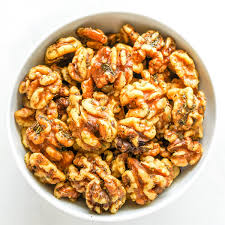
Walnuts

Summary & Classification

Short Summary

Walnuts are nutrient-dense nuts valued for their healthy fats, brain-boosting properties, and antioxidant content. The leaves and hulls are also used in herbal medicine for their astringent, antifungal, and detoxifying effects.

Herb Actions

anti-inflammatory, antioxidant, nutritive, astringent, antifungal

Herbal Category

nutritive herb, antimicrobial, digestive support

Medicine System

nutritional therapy, western, traditional persian medicine

Active Ingredients

Alpha-linolenic acid (ALA), ellagic acid, juglone (leaves/hulls), tannins, flavonoids, vitamin E
.

Chemistry & Effectiveness

Active Ingredients

Mechanism of Action

ALA supports brain and heart health; antioxidants reduce inflammation and oxidative stress; juglone and tannins in leaves/hulls act as antimicrobials and astringents.

Modern Applications

Walnut consumption is linked to improved cardiovascular function, cognitive protection, and reduced inflammation. Leaves and hulls are used for skin conditions, parasites, and digestive issues.

Traditional Uses & Preparation

Traditional Uses

Walnut nuts have been consumed as brain food and nutrient tonic. The green hulls and leaves were used for skin conditions, intestinal worms, and blood purification in European and Middle Eastern herbal traditions.

Preparation & Usage

Eaten raw or roasted (nut); leaves/hulls used in decoctions, tinctures, or external washes.

Recommended Dosage

30–60 g nuts daily (food); 2–4 g dried leaves or 1–2 ml tincture 2–3x daily

Safety & Warnings

Contraindications

Nut allergy; hulls may be too harsh internally in large doses

Drug Interactions

High tannin content in leaves/hulls may reduce absorption of medications.

Pregnancy & Lactation

use only under professional supervision.

Side Effects

May cause allergic reactions (nut); high doses of hulls/leaves can irritate the gut.

Scientific & Source Info

Scientific References

– Ros, E. (2010). Health benefits of nut consumption. Nutrients. – Ovesna, Z. et al. (2006). Antioxidant activity in walnut extracts.

Sourcing Notes

Widely cultivated; nuts from Juglans regia, leaves and hulls from fresh or dried herb suppliers.

Product Linkage

Used In Products

Candida tincture

Candida Tincture

Price range: R209.00 through R212.43
Select options This product has multiple variants. The options may be chosen on the product page