Herbal Supplements For A Healthier Life

Botanical & Identity

Botanical Name

Rubus idaeus

Common Names

Raspberry Leaf, Red Raspberry

Plant Family

Rosaceae (Rose family)

Part Used

Leaf (primarily), fruit (nutritive)

Taste Profile

Mild, astringent, slightly sweet

Energetics

Cooling, drying, toning
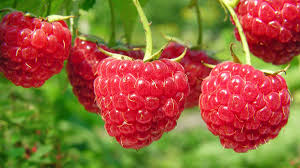
Raspberry

Summary & Classification

Short Summary

Raspberry leaf is a classic uterine tonic and astringent herb used to tone and strengthen reproductive tissues, support menstrual health, and prepare the uterus for childbirth. It’s also rich in minerals and used as a general tonic for both men and women.

Herb Actions

mineral, anti-inflammatory, astringent, uterine tonic

Herbal Category

femal reproductive tonic

Medicine System

western, european folk medicine

Active Ingredients

Fragarine,
,
tannins,
,
flavonoids,
,
ellagic acid,
,
vitamins C and E,
,
iron,
,
calcium,
,
magnesium
.

Chemistry & Effectiveness

Active Ingredients

Mechanism of Action

Fragarine helps tone the pelvic and uterine muscles; tannins provide astringency to reduce excessive bleeding or diarrhea; mineral content supports tissue integrity and general vitality.

Modern Applications

Used during pregnancy to tone the uterus, during menstruation to ease cramping and heavy flow, and post-partum for recovery. Also used for mild diarrhea or as a nutritive tea.

Traditional Uses & Preparation

Traditional Uses

Historically used by midwives as a birth preparation herb, and by herbalists for menstrual complaints, gastrointestinal issues, and general tonic purposes.

Preparation & Usage

Commonly consumed as tea (infusion), also in capsules or tincture.

Recommended Dosage

Tea: 1–2 tsp dried leaf per cup, steeped 10–15 mins. Up to 3 cups/day. Tincture: 2–4 ml up to 3x/day.

Safety & Warnings

Contraindications

Use caution in first trimester of pregnancy unless supervised; avoid if prone to constipation (astringent effect).

Drug Interactions

None significant, but may theoretically affect absorption of iron supplements due to tannins.

Pregnancy & Lactation

use only under professional supervision.

Side Effects

Rare: constipation, mild nausea if overused.

Scientific & Source Info

Scientific References

– Simpson, M. et al. (2001). Raspberry leaf in pregnancy: a survey of its use by midwives. – Mazzanti, G. et al. (2000). Studies on the uterine action of fragarine from raspberry leaf.

Sourcing Notes

Harvest leaves before flowering. Use organically grown material. Ensure leaves are fully dried before use to avoid mold.

Product Linkage

Used In Products

Menopause and PMS Cream 100ml

Menopause and PMS Creams 100ml

R320.00