Herbal Supplements For A Healthier Life

Botanical & Identity

Botanical Name

Hydrangea arborescens

Common Names

Hydrangea Root, Seven Barks, Wild Hydrangea

Plant Family

Hydrangeaceae

Part Used

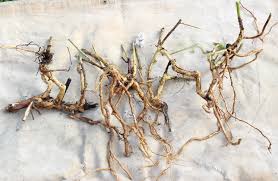
Root and rhizome (dried)

Taste Profile

Sweet, pungent, slightly bitter

Energetics

Cooling, drying, dissolving
Hydrangea Root

Summary & Classification

Short Summary

Hydrangea root is a traditional North American herb used to support urinary tract health, dissolve mineral deposits, and reduce inflammation in the kidneys and bladder. It is valued for its historical use in treating gravel, stones, and cystitis.

Herb Actions

anti-inflammatory, diuretic, lithotriptic, mucosal soothing

Herbal Category

kidney support, urinary support, anti-inflammatory herbs

Medicine System

western, native american medicin

Active Ingredients

Hydrangenol
,
Hydrangin
,
Saponins
,
Coumarins
,
Essential Oils
,
Flavonoids
.

Chemistry & Effectiveness

Active Ingredients

Mechanism of Action

Hydrangea root promotes urine flow, reduces inflammation in the urinary tract, and may help dissolve calcium-based deposits. It soothes irritated mucosa while exerting a mild cleansing effect on the kidneys and bladder.

Modern Applications

Used for kidney gravel, urinary tract infections, bladder inflammation, prostate congestion, and to support overall urinary elimination.

Traditional Uses & Preparation

Traditional Uses

Used by Native American tribes and later Eclectic physicians to treat kidney gravel, bladder stones, and inflammatory urinary conditions.

Preparation & Usage

Consumed as decoction, tincture, or capsules. Often combined with marshmallow, gravel root, or corn silk in urinary blends.

Recommended Dosage

Tincture: 2–4 ml, 2–3x/day; Decoction: 1–2 tsp dried root simmered 15–20 min, 2–3x/day; Capsules: 300–500 mg, 2x/day.

Safety & Warnings

Contraindications

Avoid in severe kidney disease or during acute infection without supervision.

Drug Interactions

May enhance the effect of diuretics; monitor electrolyte levels.

Pregnancy & Lactation

not recommended

Side Effects

Rare: nausea or diarrhoea in high doses. Use short term unless under professional care.

Scientific & Source Info

Scientific References

– Felter, H.W. & Lloyd, J.U. (1898). King’s American Dispensatory. – Hoffmann, D. (2003). Medical Herbalism: The Science and Practice of Herbal Medicine.

Sourcing Notes

Wildcrafted or organically grown Hydrangea arborescens root should be properly dried and stored. Not to be confused with ornamental hydrangeas, which may be toxic.

Product Linkage

Used In Products

Lungs & Sinus capsules

Lungs & Sinus 120’s

R440.00