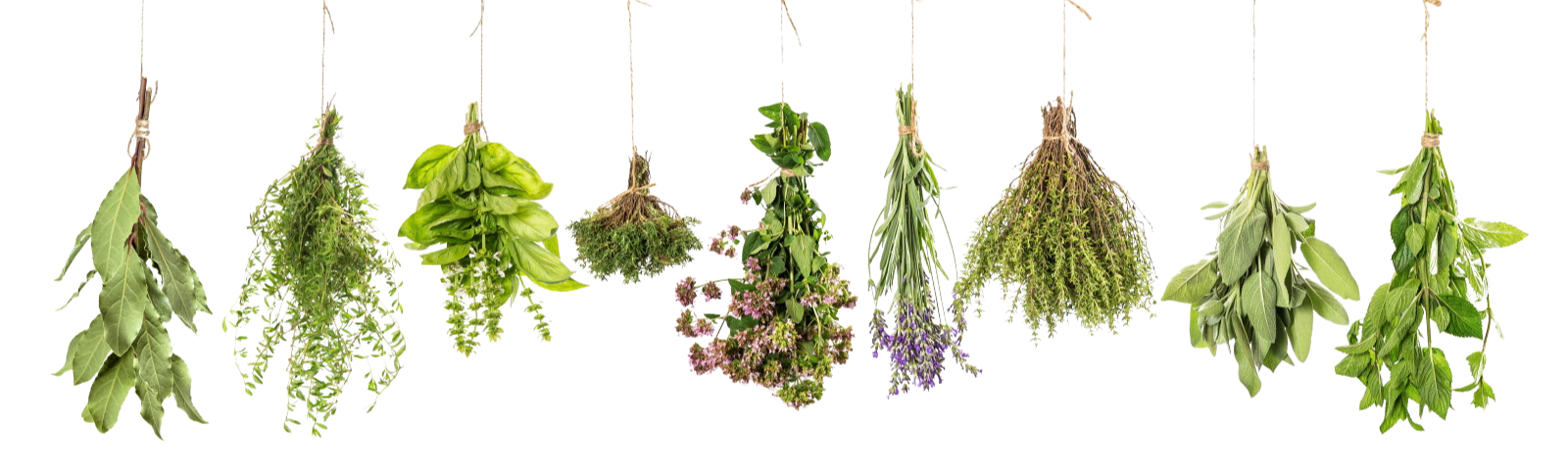
Herbal Supplements For A Healthier Life

Botanical & Identity

Botanical Name

Ginkgo biloba

Common Names

Ginkgo, Maidenhair Tree

Plant Family

Ginkgoaceae

Part Used

Leaves (standardised extract), seeds (rarely, toxic raw)

Taste Profile

Slightly bitter, astringent

Energetics

Drying, stimulating, circulatory-enhancing
Gingko Billoba

Summary & Classification

Short Summary

Ginkgo biloba is one of the most studied herbs for brain and circulatory health. Its unique compounds enhance microcirculation, protect neurons from oxidative damage, and support memory, focus, and cognitive function, especially in ageing adults.

Herb Actions

nootropic, neuroprotective, anti-inflammatory, antioxidant, vasodilator

Herbal Category

circulatory herb, brain & memory support

Medicine System

functional medicine, tcm, western, traditional chinese medicine

Active Ingredients

Ginkgolides
,
Bilobalide
,
Flavonoid Glycosides
,
Terpene Lactones
.

Chemistry & Effectiveness

Active Ingredients

Mechanism of Action

Ginkgolides inhibit platelet-activating factor (PAF), reducing blood viscosity and increasing circulation, especially to the brain. Antioxidant compounds reduce free radical damage to neurons and support neurotransmitter balance.

Modern Applications

Used to enhance memory, prevent cognitive decline, support tinnitus and vertigo, improve peripheral circulation, and aid post-stroke recovery.

Traditional Uses & Preparation

Traditional Uses

In Traditional Chinese Medicine, ginkgo leaf was used to support respiratory and brain function. Seeds were used in small, cooked doses but are now rarely employed due to toxicity.

Preparation & Usage

Used as standardised extract (24% flavone glycosides, 6% terpene lactones) in capsules or tablets. Raw leaf infusions are less effective due to inconsistent active compound content.

Recommended Dosage

Standardised extract: 120–240 mg/day in divided doses; minimum 8–12 weeks for cognitive effects.

Safety & Warnings

Contraindications

Caution in bleeding disorders or before surgery due to antiplatelet effect. Avoid in epilepsy or with seizure history.

Drug Interactions

May interact with anticoagulants (e.g. warfarin), NSAIDs, SSRIs, and anticonvulsants.

Pregnancy & Lactation

not recommended

Side Effects

Rare: headache, dizziness, upset stomach, or allergic skin reactions.

Scientific & Source Info

Scientific References

– Oken, B.S. et al. (1998). Ginkgo biloba for cognitive decline and dementia. – Smith, J.V. & Luo, Y. (2004). Studies on Ginkgo biloba extract and Alzheimer’s disease.

Sourcing Notes

Use only standardised extracts from reputable sources to ensure active compound content. Harvested leaves must be properly processed to preserve ginkgolide and flavonoid integrity.

Product Linkage

Used In Products

Hypo Thyroid capsules

Hypo Thyroid (Underactive 120’s

R440.00