Herbal Supplements For A Healthier Life

Botanical & Identity

Botanical Name

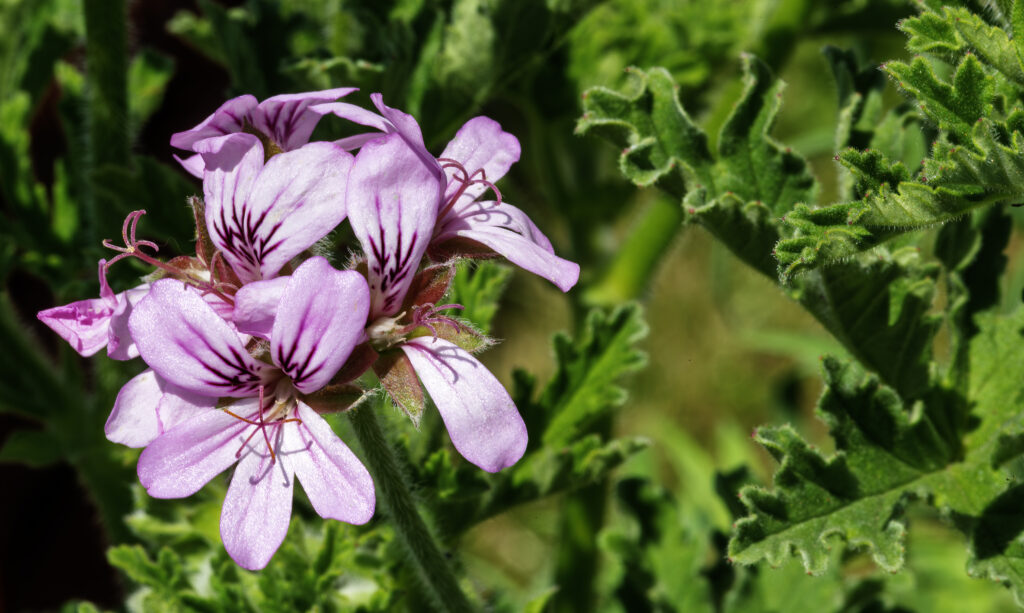
Pelargonium graveolens (Aromatic Geranium)

Common Names

Geranium, Rose Geranium, Scented Geranium

Plant Family

Geraniaceae

Part Used

Leaves and flowering tops (essential oil), roots (Pelargonium sidoides)

Taste Profile

Mildly astringent, floral (when infused)

Energetics

Cooling, drying, mildly uplifting
Geranium

Summary & Classification

Short Summary

Geranium, especially as an essential oil, is a balancing, antimicrobial, and anti-inflammatory herb widely used for skin health, hormone balance, and emotional stability. Root species like Pelargonium sidoides are used for respiratory infections.

Herb Actions

anti-inflammatory, adaptogenic, antiseptic, antidepressant, haemostatic

Herbal Category

respiratory support, skin & wound care, hormonal balance, emotional support

Medicine System

african, western, aromatherapy

Active Ingredients

Citronellol
,
Geraniol
,
Linalool
,
Flavonoids
,
Tannins
,
Phenolic Acids
.

Chemistry & Effectiveness

Active Ingredients

Mechanism of Action

Essential oils regulate nervous system activity, reduce inflammation, and exert antimicrobial effects. Flavonoids and tannins promote wound healing and mucosal tone. Pelargonium sidoides root stimulates immune response against upper respiratory pathogens.

Modern Applications

Used for eczema, acne, hormone-related skin issues, anxiety, menopausal symptoms, and as an immune support herb in coughs and bronchitis (P. sidoides extract).

Traditional Uses & Preparation

Traditional Uses

Leaves used traditionally in poultices for wounds, sore throats, and infections. In South African medicine, P. sidoides root is used to treat bronchitis and colds.

Preparation & Usage

As essential oil (topical/aromatic), herbal infusion (mild astringent), or root extract (immune support).

Recommended Dosage

Essential Oil: 2–3% dilution for topical use; Aromatherapy: 3–6 drops in diffuser; P. sidoides extract: 1.5 ml tincture 2–3x/day for 7–10 days.

Safety & Warnings

Contraindications

Avoid direct undiluted use of essential oil on skin.

Drug Interactions

None significant. P. sidoides root may stimulate immune responses—use cautiously with immunosuppressive therapies

Pregnancy & Lactation

use only under professional supervision.

Side Effects

Rare: skin sensitivity (with oil); mild digestive upset with root extract.

Scientific & Source Info

Scientific References

– Kolodziej, H. (2007). Pelargonium sidoides extract in respiratory infections. – Lis-Balchin, M. et al. (1996). The therapeutic properties of rose-scented geranium oil.

Sourcing Notes

Essential oil should be steam-distilled from organically grown P. graveolens leaves. Root extracts must be standardised when used for respiratory conditions.

Product Linkage

Used In Products

Nail Oil

Nail Oil 30ml

R255.00