Herbal Supplements For A Healthier Life

Botanical & Identity

Botanical Name

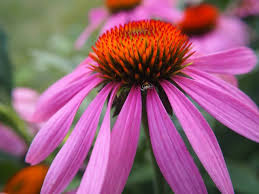
Echinacea purpurea, Echinacea angustifolia, Echinacea pallida

Common Names

Echinacea, Purple Coneflower

Plant Family

Asteraceae

Part Used

Root, aerial parts, flower

Taste Profile

Pungent, tingling, slightly bitter

Energetics

Cooling, stimulating, immune-enhancing
Echinacea

Summary & Classification

Short Summary

Echinacea is a powerful immune modulator and antimicrobial herb traditionally used for fighting infections, especially upper respiratory tract conditions. It enhances the innate immune response and reduces inflammation when used early in acute illness.

Herb Actions

immunomodulator, anti-inflammatory, antiviral, antibacterial, lymphatic tonic

Herbal Category

immune support, antimicrobial botanicals

Medicine System

western, integrative medicine, native american medicin

Active Ingredients

Alkylamides,
,
Caffeic Acid Derivatives (echinacoside, cichoric acid)
,
Polysaccharides
,
Flavonoids
,
Essential oils
.

Chemistry & Effectiveness

Active Ingredients

Mechanism of Action

Alkylamides activate macrophages and modulate cytokine response. Caffeic acid derivatives support antioxidant defences. Polysaccharides stimulate innate immune cells and enhance pathogen clearance

Modern Applications

Used for early-stage colds, flu, sore throats, ear infections, wounds, herpes simplex, and immune recovery after illness.

Traditional Uses & Preparation

Traditional Uses

Used by Native American tribes to treat snake bites, infections, and wounds. Later adopted in Western herbalism for immune and lymphatic support

Preparation & Usage

Most effective when used as a fresh plant extract (especially root). Common forms: tincture, tea, capsule.

Recommended Dosage

Tincture: 2–5 ml every 2–3 hours at onset of infection; Maintenance: 2 ml, 2–3x/day. Tea: 1–2 tsp per cup, steeped 10–15 min, 2–3x/day.

Safety & Warnings

Contraindications

Autoimmune conditions (use with caution); allergy to Asteraceae family

Drug Interactions

May interact with immunosuppressive drugs; theoretical risk with chemotherapy

Pregnancy & Lactation

safe

Side Effects

Rare: allergic reaction, especially in those with ragweed allergy. Some people may experience a tingling sensation in the mouth (from alkylamides).

Scientific & Source Info

Scientific References

– Woelkart, K. et al. (2008). Pharmacological properties of Echinacea species. – Barrett, B. et al. (2010). Echinacea for the common cold: A meta-analysis.

Sourcing Notes

Quality depends on species and plant part used. Fresh Echinacea angustifolia root has the highest alkylamide content. Organic cultivation preferred.

Product Linkage

Used In Products

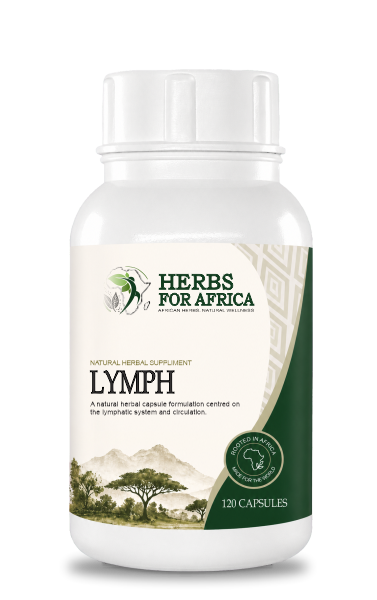
Lymph capsules

Lymph 120’s

R440.00