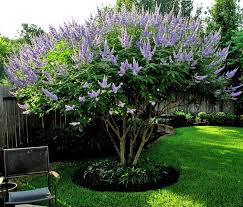
Acts on the hypothalamic–pituitary–ovarian axis by increasing dopamine activity, which reduces prolactin levels. This helps balance the ratio between oestrogen and progesterone, particularly benefiting those with low progesterone.
Used for PMS, irregular periods, infertility due to luteal phase defect, hormonal acne, perimenopausal symptoms, and cyclic breast pain.
Used since antiquity by monks to curb libido, hence “chaste tree.” In folk medicine, it was used to regulate menstruation, ease childbirth, and restore balance after pregnancy
Common as tincture, capsule, or decoction of berries. Long-term use (2–3+ cycles) is often required for effect
Avoid with progesterone-sensitive cancers or during IVF unless supervised. Not typically used in men
May interfere with hormone therapies, oral contraceptives, or dopamine-related medications.


