
Herbal Supplements For A Healthier Life

Botanical & Identity

Botanical Name

Matricaria chamomilla (German Chamomile), Chamaemelum nobile (Roman Chamomile)

Common Names

Chamomile, German Chamomile, Roman Chamomile

Plant Family

Asteraceae

Part Used

Flower heads

Taste Profile

Slightly bitter, sweet, apple-like aroma

Energetics

Cooling, calming, mildly drying
Chamomile

Summary & Classification

Short Summary

Chamomile is a gentle but effective herb for calming the nervous and digestive systems. It soothes inflammation, supports restful sleep, eases spasms, and reduces anxiety. A staple in both Western herbalism and folk medicine, it's suitable for all ages, including children.

Herb Actions

anti-inflammatory, nervine tonic, carminative, antispasmodic

Herbal Category

nervous system tonic

Medicine System

western, european folk medicine

Active Ingredients

Apigenin
,
Chamazulene
,
Bisabolol
,
Flavonoids
,
Coumarins
,
Volatile Oils
.

Chemistry & Effectiveness

Active Ingredients

Mechanism of Action

Apigenin binds to benzodiazepine receptors, inducing calmness. Chamazulene and bisabolol reduce inflammation and spasm in smooth muscle tissues, especially in the gut. Volatile oils contribute to carminative and antispasmodic effects.

Modern Applications

Used for anxiety, insomnia, indigestion, infant colic, gastritis, IBS, menstrual cramps, mild skin irritation, and teething pain in children.

Traditional Uses & Preparation

Traditional Uses

Widely used across Europe and the Middle East for calming children, easing menstrual and digestive pain, and aiding sleep. Applied topically for eczema, wounds, and eye infections.

Preparation & Usage

Commonly used as tea, tincture, compress, or steam inhalation.

Recommended Dosage

Tea: 1–2 tsp dried flowers per cup, steeped 10 min, up to 3x/day; Tincture: 2–4 ml, 2–3x/day; Topical: as compress or diluted essential oil.

Safety & Warnings

Contraindications

Avoid in individuals allergic to Asteraceae family plants.

Drug Interactions

May enhance the effects of sedatives and anticoagulants. Use caution when combined with blood thinners.


Pregnancy & Lactation

use only under professional supervision.

Side Effects

Rare. Possible allergic reactions in sensitive individuals. Essential oil may irritate if used undiluted.

Scientific & Source Info

Scientific References

– Srivastava, J.K. et al. (2010). Chamomile: A herbal medicine of the past with bright future. – McKay, D.L. & Blumberg, J.B. (2006). A review of the bioactivity and potential health benefits of chamomile tea.

Sourcing Notes

German chamomile is more widely used medicinally. Harvested during full bloom and dried gently to preserve volatile oils. Look for strong aroma and deep yellow centre in quality flowers.

Product Linkage

Used In Products

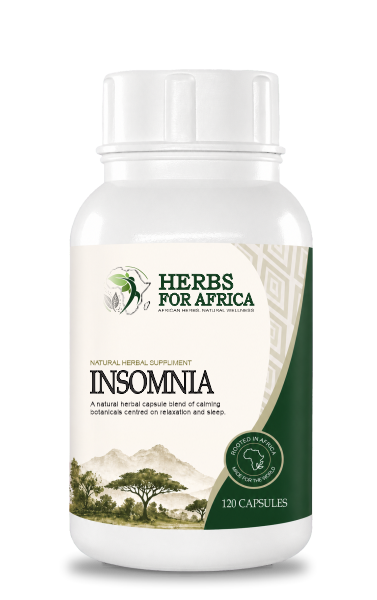
Insomnia capsules

Insomnia 120’s

R440.00