Herbal Supplements For A Healthier Life

Botanical & Identity

Botanical Name

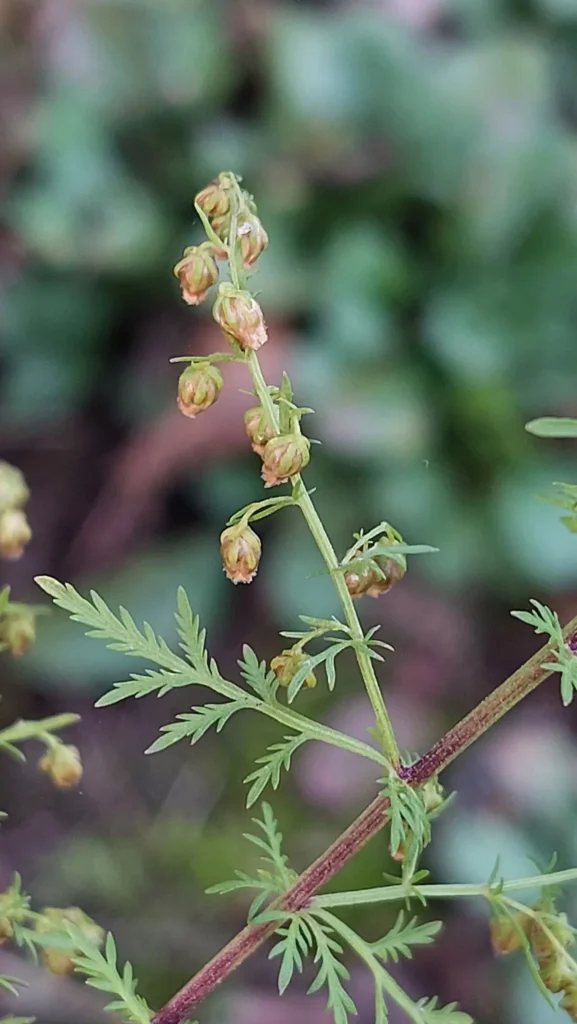
Artemisia annua

Common Names

Sweet Wormwood, Qing Hao, Annual Wormwood

Plant Family

Asteraceae

Part Used

Leaves, flowering tops

Taste Profile

Bitter, slightly aromatic

Energetics

Cooling, drying, clearing
Artemisia Annua

Summary & Classification

Short Summary

Artemisia annua, or Sweet Wormwood, is the source of artemisinin — a powerful antimalarial compound. Widely used in Traditional Chinese Medicine, it is gaining global interest for its antiviral, antiparasitic, and anti-inflammatory actions.

Herb Actions

anti-inflammatory, antiviral, antiparasitic, febrifuge, antimalarial

Herbal Category

antiparasitic herb, immune support

Medicine System

western, traditional chinese medicine

Active Ingredients

Artemisinin
,
Dlavonoids
,
Essential Oils
,
Sesquiterpenes
.

Chemistry & Effectiveness

Active Ingredients

Mechanism of Action

Artemisinin reacts with iron inside parasites and pathogens, generating free radicals that damage their internal structures. Flavonoids and oils support immune modulation and reduce inflammation.

Modern Applications

Used in malaria treatment (as isolated artemisinin or whole herb), researched for use against viral infections including COVID-19, Lyme disease, cancer, and autoimmune conditions. Often used as a broad-spectrum immune modulator and antiparasitic herb.

Traditional Uses & Preparation

Traditional Uses

Used in Traditional Chinese Medicine (as Qing Hao) for over 2,000 years to treat fevers, night sweats, and malaria. Traditionally prepared as a tea or cold infusion to preserve volatile compounds.

Preparation & Usage

Infusion (hot or cold), tincture, capsule, or as part of antiparasitic protocols.

Recommended Dosage

Dried herb: 3–6 g/day; Tincture: 2–4 ml, 2x/day; Capsules: standardised extracts 100–200 mg artemisinin per dose. For long-term use, pulse cycles are recommended.

Safety & Warnings

Contraindications

Avoid in pregnancy (uterine stimulant and embryo toxicity). Avoid with autoimmune disorders unless advised by a practitioner.

Drug Interactions

May interact with immunosuppressants, anticoagulants, and drugs metabolised by CYP450 enzymes. Avoid combining with high doses of iron.

Pregnancy & Lactation

use only under professional supervision.

Side Effects

Rare at normal doses. High doses may cause nausea, dizziness, liver stress, or sensitivity reactions.

Scientific & Source Info

Scientific References

– Tu, Y. (2011). The discovery of artemisinin and its use in the treatment of malaria. Nobel Lecture. – Efferth, T. (2009). Mechanistic perspectives for artemisinin therapies in cancer and beyond.

Sourcing Notes

Cultivated mainly in China, East Africa, and increasingly in South Africa. Harvested during early flowering stage for optimal artemisinin content. Best used fresh or carefully dried.

Product Linkage

Used In Products

Bilberry capsules

Bilberry 120’s

R370.00