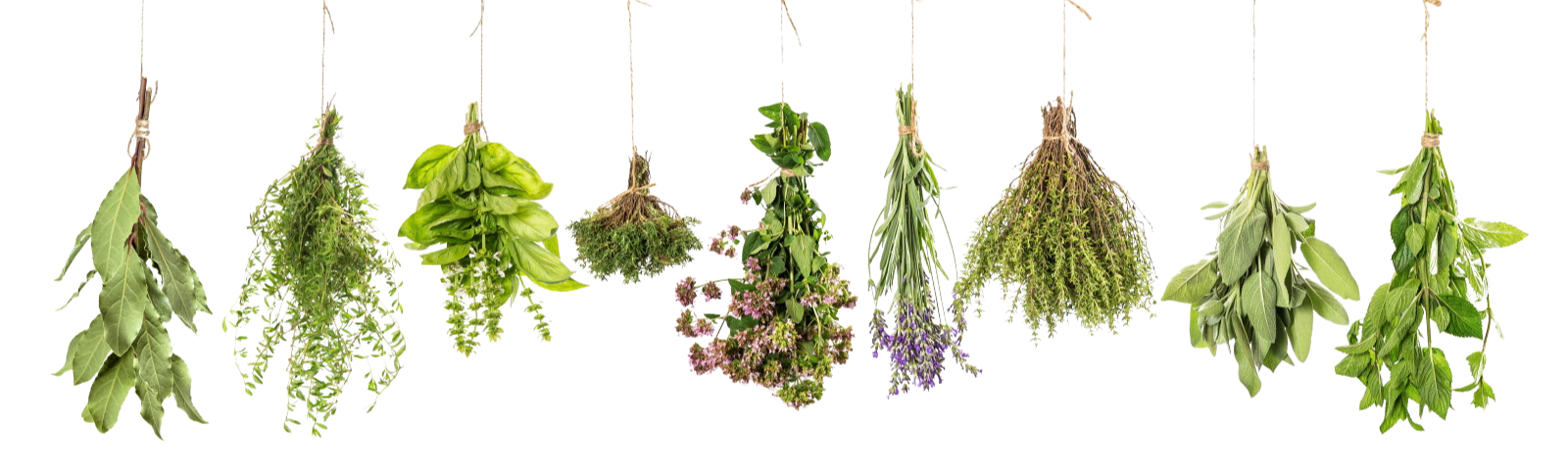
Herbal Supplements For A Healthier Life

Botanical & Identity

Botanical Name

Aloe vera (syn. Aloe barbadensis miller)

Common Names

Aloe, Aloe Vera, Bitter Aloe, Cape Aloe (for different species)

Plant Family

Asphodelaceae

Part Used

nner leaf gel, outer leaf (latex)

Taste Profile

Gel: cooling, slightly bitter; Latex: intensely bitter

Energetics

Cooling, moistening (gel); Draining, purgative (latex)
Aloe

Summary & Classification

Short Summary

Aloe is a succulent plant with powerful internal and external healing properties. The inner gel soothes inflammation, hydrates tissue, and promotes healing, while the bitter latex is a strong laxative. Aloe is used for skin care, digestive issues, wound healing, and immune modulation.

Herb Actions

anti-inflammatory, demulcent, vulnerary, laxative (latex), immune-modulating

Herbal Category

healing gel, herbal laxative (latex)

Medicine System

ayurveda, african, western

Active Ingredients

Polysaccharides (acemannan)
,
Anthraquinones (aloin – in latex)
,
Enzymes
,
Vitamins
,
Salicylic Acid
.

Chemistry & Effectiveness

Active Ingredients

Mechanism of Action

Gel soothes and hydrates mucosal tissues and skin; promotes collagen formation and wound healing. Latex stimulates bowel motility via anthraquinone glycosides (aloin). Immunomodulatory and antimicrobial actions documented.

Modern Applications

Aloe gel is used topically for burns, wounds, sunburn, and eczema. Internally, it supports gut healing, immune health, and hydration. Aloe latex is used for constipation (short-term only).

Traditional Uses & Preparation

Traditional Uses

Used for centuries in African, Ayurvedic, and Western folk medicine to treat wounds, skin disorders, burns, constipation, ulcers, and general inflammation.

Preparation & Usage

Inner gel extracted fresh or stabilised for juice/capsules. Latex used in tinctures or as dried powder (use cautiously).

Recommended Dosage

Gel: 30–60 ml/day internally; apply topically as needed. Latex: 50–200 mg dried latex, short-term use only under guidance.

Safety & Warnings

Contraindications

Avoid latex in pregnancy, menstruation, or with kidney issues. Latex may cause cramping, dehydration, and dependency.

Drug Interactions

Latex may interact with diuretics, cardiac glycosides, corticosteroids, and blood sugar medication.

Pregnancy & Lactation

use only under professional supervision.

Side Effects

Latex may cause diarrhoea, cramps, and electrolyte loss. Gel may cause allergic skin reaction in sensitive individuals.

Scientific & Source Info

Scientific References

– Vogler, B.K., & Ernst, E. (1999). Aloe vera: A systematic review of its clinical effectiveness. – Boudreau, M.D. et al. (2013). A review of the toxicity of Aloe vera.

Sourcing Notes

Grown widely in South Africa and globally. Fresh leaves should be harvested and processed with care to separate gel from latex. Stabilised gel products must be free from aloin if intended for internal use.

Product Linkage

Used In Products

Varicose and Haemorrhoids Cream 250ml

Varicose and Haemorrhoids Creams 250ml

R800.00