Herbal Supplements For A Healthier Life

Botanical & Identity

Botanical Name

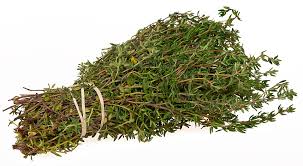
Thymus vulgaris

Common Names

Thyme, Garden Thyme, Common Thyme

Plant Family

Lamiaceae (Mint family)

Part Used

Leaves and flowering tops

Taste Profile

Pungent, slightly bitter

Energetics

Warming, drying
Thyme

Summary & Classification

Short Summary

Thyme is a versatile culinary and medicinal herb known for its powerful antimicrobial, expectorant, and immune-supportive properties. It has long been used to treat respiratory and digestive issues.

Herb Actions

antimicrobial, antioxidant, expectorant, carminative, antispasmodic

Herbal Category

culinary medicinal, respiratory support, immune support

Medicine System

western, traditional european medicine

Active Ingredients

Thymol, carvacrol, flavonoids, rosmarinic acid, volatile oils
.

Chemistry & Effectiveness

Active Ingredients

Mechanism of Action

Thymol and carvacrol exert strong antibacterial, antiviral, and antifungal activity. Volatile oils soothe spasms in the lungs and intestines and increase mucus clearance.

Modern Applications

Used in treating bronchitis, sore throats, digestive cramps, candida infections, and skin conditions. Often included in cough syrups, teas, and essential oil blends.

Traditional Uses & Preparation

Traditional Uses

Used historically to preserve meats, purify air, and as a remedy for colds, flu, and indigestion.

Preparation & Usage

Infusion (tea), tincture, essential oil, or culinary spice. Can also be inhaled via steam.

Recommended Dosage

Tea: 1–2 tsp dried herb per cup, 2–3x/day. Tincture: 2–4 ml 2–3x/day. Essential oil: topical/inhalation only, diluted.

Safety & Warnings

Contraindications

Avoid large doses of essential oil internally. Not recommended for people with epilepsy or severe liver disorders.

Drug Interactions

May interact with anticoagulants or medications metabolized by the liver.

Pregnancy & Lactation

use only under professional supervision.

Side Effects

Possible allergic reactions or gastrointestinal upset at high doses.

Scientific & Source Info

Scientific References

– Marchese, A. et al. (2016). Antimicrobial activity of thymol and carvacrol. – Soković, M. et al. (2010). Essential oils against microbial pathogens.

Sourcing Notes

Organically grown or wild-harvested from Mediterranean or temperate zones. Best harvested just before flowering for maximum potency.

Product Linkage

Used In Products

Cough & Flu Mix Adults Syrups

Cough & Flu Mix Adults Syrups

R280.00