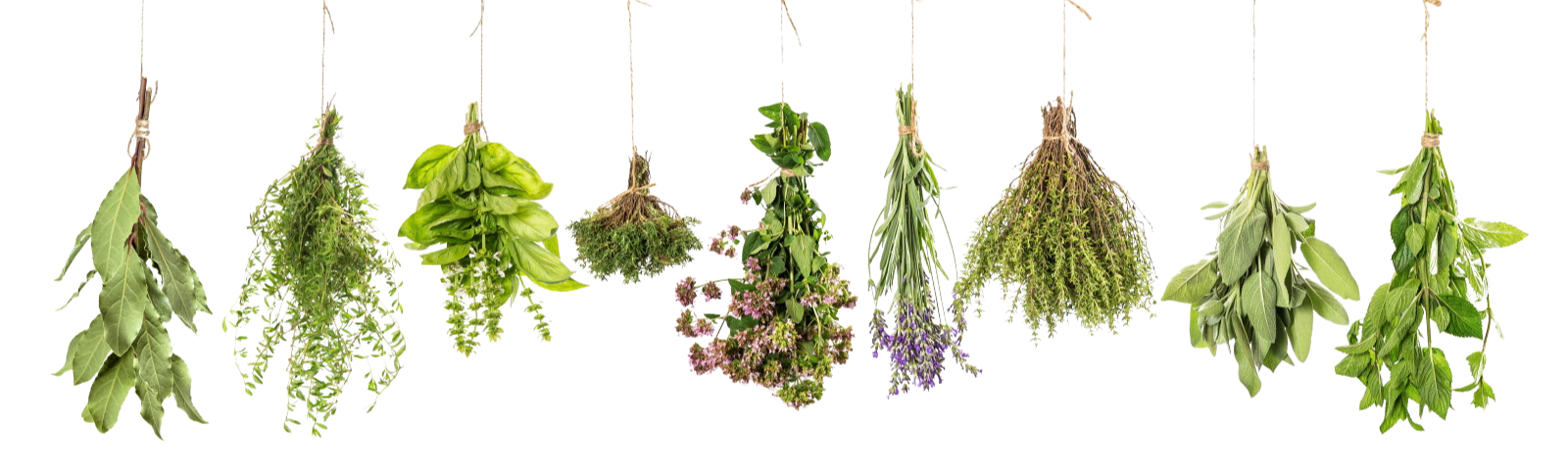
Herbal Supplements For A Healthier Life

Botanical & Identity

Botanical Name

Origanum vulgare

Common Names

Oregano, Wild Marjoram, Mediterranean Oregano

Plant Family

Lamiaceae (Mint family)

Part Used

Leaf, flowering tops, essential oil

Taste Profile

Pungent, warming, aromatic

Energetics

Warming, drying, dispersing
Oregano

Summary & Classification

Short Summary

Oregano is a powerful aromatic herb known for its broad-spectrum antimicrobial, antifungal, and carminative properties. It is used to fight infections, support immunity, stimulate digestion, and clear respiratory congestion.

Herb Actions

antiviral, expectorant, antibacterial, carminative, antifungal

Herbal Category

immune support, digestive herb, respiratory health

Medicine System

western, mediterranean folk medicine

Active Ingredients

Carvacrol
,
thymol
,
rosmarinic acid
,
flavonoids
,
terpenes
.

Chemistry & Effectiveness

Active Ingredients

Mechanism of Action

Carvacrol and thymol disrupt microbial membranes, inhibit fungal growth, and modulate inflammation. The aromatic oils stimulate bile flow, reduce gas and bloating, and clear mucus in the lungs and sinuses.

Modern Applications

Used for bacterial, fungal, and viral infections (e.g., candida, colds, SIBO), digestive issues, immune support, and topical skin infections.

Traditional Uses & Preparation

Traditional Uses

Long used in Mediterranean cultures for digestive complaints, colds, parasitic infections, and wound care. Also brewed as a warming tea for flu and bronchitis.

Preparation & Usage

Consumed as dried herb (culinary or tea), tincture, or essential oil (topical or diluted internal use under supervision).

Recommended Dosage

Dried herb: 1–2 tsp per cup of tea. Tincture: 1–2 ml up to 3x/day. Essential oil: 1–4 drops/day diluted in oil or capsule (short-term use only).

Safety & Warnings

Contraindications

Avoid essential oil internally in pregnancy. Use caution in people with sensitive GI tracts when using the oil.

Drug Interactions

May enhance effects of antibiotics or antifungals. Potential mild blood-thinning effects.

Pregnancy & Lactation

use only under professional supervision.

Side Effects

Possible GI irritation or burning with undiluted oil. Always dilute essential oil and use in moderation.

Scientific & Source Info

Scientific References

– Force, M. et al. (2000). Oregano oil and intestinal parasites: efficacy study. – Lambert, R.J.W. et al. (2001). Antimicrobial activity of oregano essential oil.

Sourcing Notes

Use organically grown oregano harvested in full bloom for highest essential oil yield. Essential oil must be steam-distilled and GC/MS-tested for carvacrol content (ideally 60–80%).

Product Linkage

Used In Products

Lymes Disease capsules

Lymes-D (Lymes Disease) 120’s

R440.00