Herbal Supplements For A Healthier Life

Botanical & Identity

Botanical Name

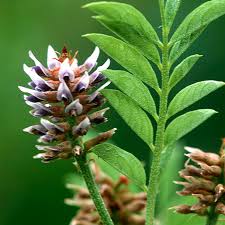
Glycyrrhiza glabra

Common Names

Licorice, Sweet Root, Mulethi (in Ayurveda)

Plant Family

Fabaceae (Legume family)

Part Used

Root (dried or extracted)

Taste Profile

Sweet, slightly bitter, earthy

Energetics

Moistening, harmonising, tonifying
Licorice

Summary & Classification

Short Summary

Licorice is a powerful adaptogenic and anti-inflammatory herb traditionally used for adrenal support, gastrointestinal healing, and respiratory tract irritation. It is known for harmonising herbal formulas and extending the half-life of active compounds.

Herb Actions

anti-inflammatory, antiviral, demulcent, adrenal tonic

Herbal Category

endocrine support, digestive support, respiratory health

Medicine System

ayurveda, tcm, western, traditional chinese medicine

Active Ingredients

Glycyrrhizin
,
Liquiritin
,
Flavonoids
,
Polysaccharides
,
Saponins
,
Coumarins
.

Chemistry & Effectiveness

Active Ingredients

Mechanism of Action

Glycyrrhizin modulates cortisol metabolism by inhibiting 11β-HSD2 enzyme, thus extending cortisol’s half-life. It soothes mucous membranes, reduces inflammation, and acts as a synergist in herbal blends by enhancing absorption and activity.

Modern Applications

Used for leaky gut, GERD, ulcers, adrenal fatigue, chronic fatigue syndrome, sore throat, bronchitis, and viral infections. Deglycyrrhizinated form (DGL) is preferred for long-term GI use.

Traditional Uses & Preparation

Traditional Uses

Used in Ayurvedic, Chinese, and Middle Eastern medicine for thousands of years for vitality, longevity, coughs, ulcers, and hormone balancing. A key component in over 50% of Traditional Chinese Medicine formulas.

Preparation & Usage

Consumed as teas, tinctures, powdered extracts, capsules, or decoctions. DGL used specifically for GI issues.

Recommended Dosage

Root decoction: 1–2 tsp dried root per cup, simmered 10–15 min, 1–3x/day; Tincture: 2–4 ml, 2x/day; DGL: 380–760 mg before meals.

Safety & Warnings

Contraindications

Avoid in hypertension, kidney disease, liver disorders, or with corticosteroid medications unless under supervision.

Drug Interactions

May increase effects of corticosteroids and interfere with potassium levels.

Pregnancy & Lactation

use only under professional supervision.

Side Effects

High doses of glycyrrhizin may cause fluid retention, high blood pressure, or potassium depletion. DGL avoids this.

Scientific & Source Info

Scientific References

– Isbrucker, R.A. & Burdock, G.A. (2006). Risk and safety assessment of glycyrrhizin. – Armanini, D. et al. (2002). Licorice reduces serum testosterone in healthy women.

Sourcing Notes

Use organically cultivated Glycyrrhiza glabra or Glycyrrhiza uralensis. Ensure identity, purity, and differentiation between whole-root and DGL products depending on use case.

Product Linkage

Used In Products

Appetite Suppressant capsules

Appetite Suppressant 120’s

R440.00