Herbal Supplements For A Healthier Life

Botanical & Identity

Botanical Name

Zingiber officinale

Common Names

Ginger, Common Ginger, Fresh Ginger Root

Plant Family

Zingiberaceae

Part Used

Rhizome (fresh or dried)

Taste Profile

Spicy, pungent, warming

Energetics

Warming, stimulating, drying
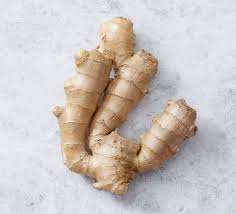
Ginger

Summary & Classification

Short Summary

Ginger is a versatile herbal remedy used for its anti-nausea, anti-inflammatory, and circulatory properties. It supports digestion, reduces pain, and improves circulation. It's also widely used for colds, motion sickness, and menstrual cramps.

Herb Actions

anti-inflammatory, carminative, circulatory stimulant

Herbal Category

immune support, digestive herb, musculoskeletal support

Medicine System

ayurveda, tcm, western, traditional chinese medicine

Active Ingredients

Gingerols
,
Shogaols
,
Zingerone
,
Volatile Oils (zingiberene)
,
Flavonoids
.

Chemistry & Effectiveness

Active Ingredients

Mechanism of Action

Gingerols and shogaols inhibit prostaglandin and leukotriene pathways, reducing inflammation and pain. They also modulate serotonin receptors in the gut, alleviating nausea and motion sickness. Volatile oils stimulate digestive secretions and circulation.

Modern Applications

Used for nausea, morning sickness, indigestion, colds, flu, joint pain, menstrual cramps, and poor circulation. Also used as a warming herb in cold constitutions.

Traditional Uses & Preparation

Traditional Uses

Used for centuries in Ayurveda and TCM to ignite digestive fire, warm the body, and move stagnation. Employed in teas for colds and in poultices for muscle and joint pain.

Preparation & Usage

Taken as tea (fresh or dried), tincture, capsules, powders, syrups, or in food. Also used topically in oils or salves for pain.

Recommended Dosage

Fresh: 2–5 g daily; Capsules: 500–1000 mg, 2–3x/day; Tincture: 2–4 ml, 2–3x/day; Tea: 1–2 tsp grated or dried root per cup, steeped 10–15 min.

Safety & Warnings

Contraindications

Use caution in active ulcers or gallstones. Avoid very high doses if on blood thinners.

Drug Interactions

May potentiate anticoagulants, antiplatelets, and hypotensive medications

Pregnancy & Lactation

safe

Side Effects

Rare: mild heartburn or irritation at high doses.

Scientific & Source Info

Scientific References

– White, B. (2007). Ginger: An overview. American Family Physician. – Marx, W. et al. (2013). Ginger for nausea and vomiting in pregnancy.

Sourcing Notes

Organically grown ginger preferred. Fresh root retains more gingerols, while dried root has higher shogaol content. Storage in cool, dry conditions preserves potency.

Product Linkage

Used In Products

Nausea tincture

Nausea Tincture

Price range: R209.00 through R212.43
Select options This product has multiple variants. The options may be chosen on the product page