Herbal Supplements For A Healthier Life

Botanical & Identity

Botanical Name

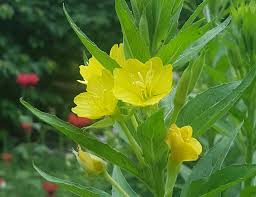
Oenothera biennis

Common Names

Evening Primrose, Tree Primrose, Fever Plant

Plant Family

Onagraceae

Part Used

Seeds (pressed for oil)

Taste Profile

Neutral, slightly nutty (oil)

Energetics

Moistening, cooling, hormone-balancing
Evening Primrose

Summary & Classification

Short Summary

Evening Primrose Oil (EPO) is rich in gamma-linolenic acid (GLA), an omega-6 fatty acid used for hormonal balancing, skin health, inflammation modulation, and support in conditions such as PMS, eczema, and rheumatoid arthritis.

Herb Actions

anti-inflammatory, nervine tonic, hormone modulator, skin healer

Herbal Category

women’s health, essential fatty acids, dermatological support

Medicine System

functional medicine, nutritional therapy, western

Active Ingredients

Gamma-linolenic acid (GLA),
,
Linoleic Acid,
,
Oleic Acid,
,
Stearic Acid
.

Chemistry & Effectiveness

Active Ingredients

Mechanism of Action

GLA converts to prostaglandin E1, a compound that regulates inflammation and hormone balance. It modulates cytokine activity and supports nerve, skin, and reproductive tissue health

Modern Applications

Used for PMS, menopause symptoms, eczema, acne, mastalgia, rheumatoid arthritis, diabetic neuropathy, and chronic inflammatory skin conditions

Traditional Uses & Preparation

Traditional Uses

Native American tribes used Evening Primrose for bruises, wounds, and gastrointestinal issues. Modern use focuses on the oil for hormonal and skin conditions

Preparation & Usage

Administered primarily as cold-pressed oil in capsules or liquid form. Occasionally used topically for skin conditions

Recommended Dosage

Capsules: 500–1300 mg/day standardized to GLA; Therapeutic range: 1,000–3,000 mg/day divided; Topical: applied directly to affected skin areas.

Safety & Warnings

Contraindications

Use with caution in epilepsy or seizure disorders (high doses may lower seizure threshold).

Drug Interactions

May enhance effects of anticoagulants or antiplatelets. Monitor if on phenothiazines.

Pregnancy & Lactation

use only under professional supervision.

Side Effects

Mild GI upset, headache, or nausea in rare cases. Large doses may cause loose stools.

Scientific & Source Info

Scientific References

– Horrobin, D.F. (2000). The role of GLA in health and disease. – Bamford, J.T. et al. (2003). Evening primrose oil for the treatment of atopic eczema. Sourcing Notes

Sourcing Notes

Oil must be cold-pressed and stored away from light and heat. GLA content should be standardised (typically 8–10%) for clinical efficacy.

Product Linkage

Used In Products

Brain health _capsules

Brain health 120’s

R440.00