Herbal Supplements For A Healthier Life

Botanical & Identity

Botanical Name

Anethum graveolens

Common Names

Dill, Dill Seed, Garden Dill

Plant Family

Apiaceae

Part Used

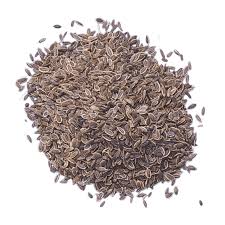
Seeds (also known as fruit)

Taste Profile

Aromatic, slightly bitter, carminative, mildly pungent

Energetics

Warming, drying, digestive
Dill Seed

Summary & Classification

Short Summary

Dill seed is a classic digestive spice and carminative herb used to reduce bloating, relieve gas, and soothe digestive discomfort. It has calming effects on the gastrointestinal tract and is often used in colic formulas, teas, and culinary preparations.

Herb Actions

antimicrobial, carminative, antispasmodic, digestive aid, galactagogue

Herbal Category

digestive support, women’s health

Medicine System

ayurveda, western, traditional european medicine, unani

Active Ingredients

Carvone
,
Limonene
,
Flavonoids
,
Coumarins
,
Essential oils
.

Chemistry & Effectiveness

Active Ingredients

Mechanism of Action

Volatile oils like carvone and limonene relax intestinal smooth muscles, reduce gas formation, and support peristalsis. Flavonoids and coumarins exert mild antimicrobial and anti-inflammatory actions.

Modern Applications

Used for indigestion, infant colic, flatulence, bloating, mild nausea, and promoting lactation in nursing mothers.

Traditional Uses & Preparation

Traditional Uses

Long used in Europe and India for digestive ailments, gas, hiccups, and infant colic. Also traditionally used to support breast milk flow and freshen breath.

Preparation & Usage

Crushed or whole seeds used in teas, tinctures, or powdered in capsules. Common in culinary spice blends.

Recommended Dosage

Tea: 1–2 tsp crushed seeds per cup, steeped 10–15 min, 2–3x/day; Tincture: 2–4 ml, 2–3x/day; Culinary: as desired.

Safety & Warnings

Contraindications

None known in culinary or therapeutic doses. Caution in high doses if allergic to Apiaceae family.

Drug Interactions

None significant. May enhance the effect of other digestive herbs.

Pregnancy & Lactation

not recommended

Side Effects

Very rare; large doses of essential oil may cause photosensitivity or GI irritation.

Scientific & Source Info

Scientific References

– Khare, C.P. (2007). Indian Medicinal Plants. – Amin, G.R. (2005). Popular Medicinal Plants of Iran: Dill seed monograph.

Sourcing Notes

Seeds should be fully dried, aromatic, and ideally stored whole until use to preserve volatile oils. Organic and non-irradiated sources are preferred.

Product Linkage

Used In Products

Ear Problems_capsules

Ear Problems capsules 120’s

R440.00