Herbal Supplements For A Healthier Life

Botanical & Identity

Botanical Name

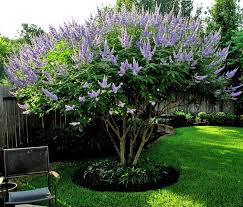
Vitex agnus-castus

Common Names

Chaste Tree, Chasteberry, Monk’s Pepper, Vitex

Plant Family

Lamiaceae (formerly Verbenaceae)

Part Used

Dried berries

Taste Profile

Pungent, slightly bitter, peppery

Energetics

Drying, slightly warming, hormone-regulating
Chaste Tree

Summary & Classification

Short Summary

Chaste Tree is a hormone-modulating herb primarily used to regulate the female reproductive system. It supports progesterone balance, normalises menstrual cycles, reduces PMS and menopausal symptoms, and is often used for fertility, acne, and hormonal imbalances.

Herb Actions

hormonal regulator, dopaminergic, luteal phase support, galactagogue

Herbal Category

skin and inflammation relief, endocrine & reproductive support

Medicine System

western, traditional european medicine

Active Ingredients

Iridoid Glycosides (agnuside)
,
Flavonoids
,
Diterpenes
,
Essential Oils
.

Chemistry & Effectiveness

Active Ingredients

Mechanism of Action

Acts on the hypothalamic–pituitary–ovarian axis by increasing dopamine activity, which reduces prolactin levels. This helps balance the ratio between oestrogen and progesterone, particularly benefiting those with low progesterone.

Modern Applications

Used for PMS, irregular periods, infertility due to luteal phase defect, hormonal acne, perimenopausal symptoms, and cyclic breast pain.

Traditional Uses & Preparation

Traditional Uses

Used since antiquity by monks to curb libido, hence “chaste tree.” In folk medicine, it was used to regulate menstruation, ease childbirth, and restore balance after pregnancy

Preparation & Usage

Common as tincture, capsule, or decoction of berries. Long-term use (2–3+ cycles) is often required for effect

Recommended Dosage

Tincture: 2–5 ml/day in the morning; Capsules: 150–250 mg extract/day; Tea: 1 tsp crushed berries, simmered 10 min, once daily. Best taken consistently over several months

Safety & Warnings

Contraindications

Avoid with progesterone-sensitive cancers or during IVF unless supervised. Not typically used in men

Drug Interactions

May interfere with hormone therapies, oral contraceptives, or dopamine-related medications.

Pregnancy & Lactation

not recommended

Side Effects

Rare: headaches, GI upset, skin reactions, menstrual spotting during regulation phase.

Scientific & Source Info

Scientific References

– van Die, M.D. et al. (2013). Vitex agnus-castus for menstrual disorders and fertility support: A systematic review. – EMA Monograph: Vitex agnus-castus L., fructus

Sourcing Notes

Harvest ripe berries in late summer to early autumn. Berries should be dried slowly to preserve essential oils and glycosides. Organic or wildcrafted sources preferred.

Product Linkage

Used In Products

HGH & Pituitary capsules

HGH & Pituitary 120’s

R440.00