Herbal Supplements For A Healthier Life

Botanical & Identity

Botanical Name

Apium graveolens

Common Names

Celery, Wild Celery

Plant Family

Apiaceae

Part Used

Seeds, leaves, stalks (medicinally: seeds and leaves)

Taste Profile

Salty, aromatic, slightly bitter

Energetics

Cooling, drying, mildly diuretic
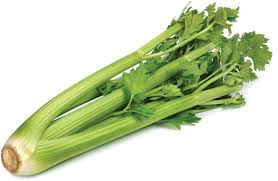
Celery

Summary & Classification

Short Summary

Celery is both a culinary plant and medicinal herb known for its anti-inflammatory, diuretic, and blood pressure-lowering effects. The seeds are used to reduce joint pain and uric acid levels, while the stalks and leaves support hydration, digestion, and detoxification.

Herb Actions

anti-inflammatory, diuretic, carminative, antihypertensive, uricosuric

Herbal Category

detox support,, joint & kidney health

Medicine System

ayurveda, western, traditional european medicine

Active Ingredients

Phthalides (e.g. 3-n-butylphthalide)
,
Flavonoids (apigenin, luteolin)
,
Coumarins
,
Volatile Oils
,
Potassium
.

Chemistry & Effectiveness

Active Ingredients

Mechanism of Action

Phthalides relax blood vessel walls, lowering blood pressure. Apigenin reduces inflammation, while volatile oils and potassium support kidney function and fluid elimination. Celery seed also promotes uric acid excretion

Modern Applications

Used for hypertension, arthritis, gout, fluid retention, indigestion, and mild anxiety. Also a popular food-based detoxifier and alkaliser.

Traditional Uses & Preparation

Traditional Uses

Used since ancient times by Greeks and Romans for digestion and urinary support. Celery seed is a classic remedy in Ayurveda for arthritis and fluid retention.

Preparation & Usage

Seeds used as tea, tincture, or capsules; leaves used fresh in juices or dried in infusions.

Recommended Dosage

Seed tea: 1 tsp per cup, steeped 10–15 min, up to 2x/day; Tincture: 1–3 ml, 2–3x/day; Capsules: 250–500 mg seed extract. Fresh celery juice: 250–500 ml/day.

Safety & Warnings

Contraindications

Avoid in acute kidney inflammation. Use cautiously in those with celery allergy or hypotension.

Drug Interactions

May enhance effects of diuretics or blood pressure medications.

Pregnancy & Lactation

not recommended

Side Effects

Rare: skin photosensitivity, allergic reactions. Overuse may irritate kidneys in sensitive individuals.

Scientific & Source Info

Scientific References

– Houston, M.C. (2005). The role of celery phthalides in blood pressure reduction. – Yong, Y. et al. (2010). Anti-inflammatory properties of apigenin from celery seed extract.

Sourcing Notes

Use organically grown seed and leaf. Seeds must be harvested when fully ripe and dried properly to preserve volatile oils.

Product Linkage

Used In Products

Libido capsules

Libido Males 120’s

R440.00