Herbal Supplements For A Healthier Life

Botanical & Identity

Botanical Name

Calendula officinalis

Common Names

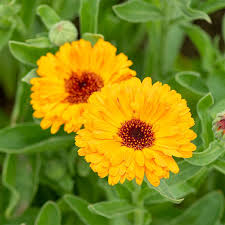
Calendula, Marigold, Pot Marigold

Plant Family

Asteraceae

Part Used

Flower petals

Taste Profile

Mildly bitter, slightly sweet

Energetics

Cooling, drying, mildly tonifying
Calendula

Summary & Classification

Short Summary

Calendula is a gentle but powerful anti-inflammatory, vulnerary (wound-healing) herb used topically for skin repair and internally for lymphatic cleansing and digestive inflammation. It promotes tissue regeneration, reduces microbial load, and supports detoxification through the liver and lymph.

Herb Actions

anti-inflammatory, vulnerary, choleretic, lymphatic tonic, antifungal, antiseptic

Herbal Category

skin & tissue repair, digestive & lymphatic support

Medicine System

western, european folk medicine

Active Ingredients

Triterpenoids
,
Flavonoids (quercetin, rutin)
,
Carotenoids
,
Calendulin
,
Saponins
,
Essential Oils
.

Chemistry & Effectiveness

Active Ingredients

Mechanism of Action

Triterpenoids and flavonoids modulate inflammation, enhance epithelial healing, and promote collagen regeneration. Calendula also stimulates bile flow (choleresis), aiding digestion and liver clearance.

Modern Applications

Used for wounds, burns, rashes, ulcers, dermatitis, acne, fungal infections, oral inflammation, and post-surgical healing. Internally used in lymphatic congestion, gastritis, and ulcers.

Traditional Uses & Preparation

Traditional Uses

Long used in European herbalism for skin wounds, ulcers, liver support, and menstrual regulation. Calendula flowers were also used in folk medicine for soothing infections and treating inflamed tissue

Preparation & Usage

Used as oil infusion, ointment, cream, tea, tincture, or compress. Flowers must be fully dried before use.

Recommended Dosage

Tea: 1–2 tsp dried petals per cup, steeped 10 min, up to 3x/day; Tincture: 2–4 ml, 2–3x/day; Oil: applied topically 2–3x/day as needed.

Safety & Warnings

Contraindications

Avoid internal use in pregnancy unless supervised. Possible cross-sensitivity with other Asteraceae family herbs.

Drug Interactions

May theoretically enhance sedatives or anti-inflammatory medications.

Pregnancy & Lactation

use only under professional supervision.

Side Effects

Very well tolerated. Rare: contact dermatitis or allergic reaction in sensitive individuals.

Scientific & Source Info

Scientific References

– Preethi, K.C. et al. (2009). Anti-inflammatory and wound healing potential of Calendula officinalis extract. – EMA Monograph: Calendula officinalis L., flos

Sourcing Notes

Harvested in full bloom and dried at low temperatures to preserve resin and volatile oils. Ensure deep orange colour for best triterpene content.

Product Linkage

Used In Products

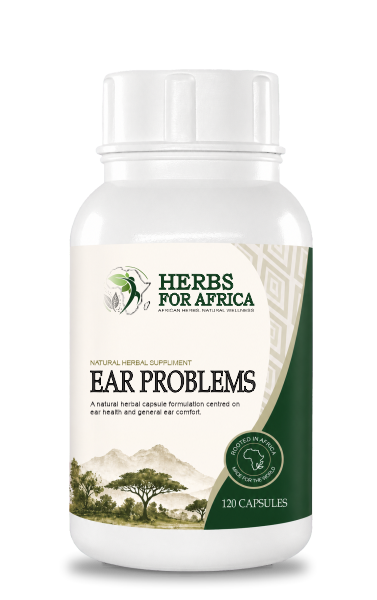
Ear Problems capsules 120’s

R440.00