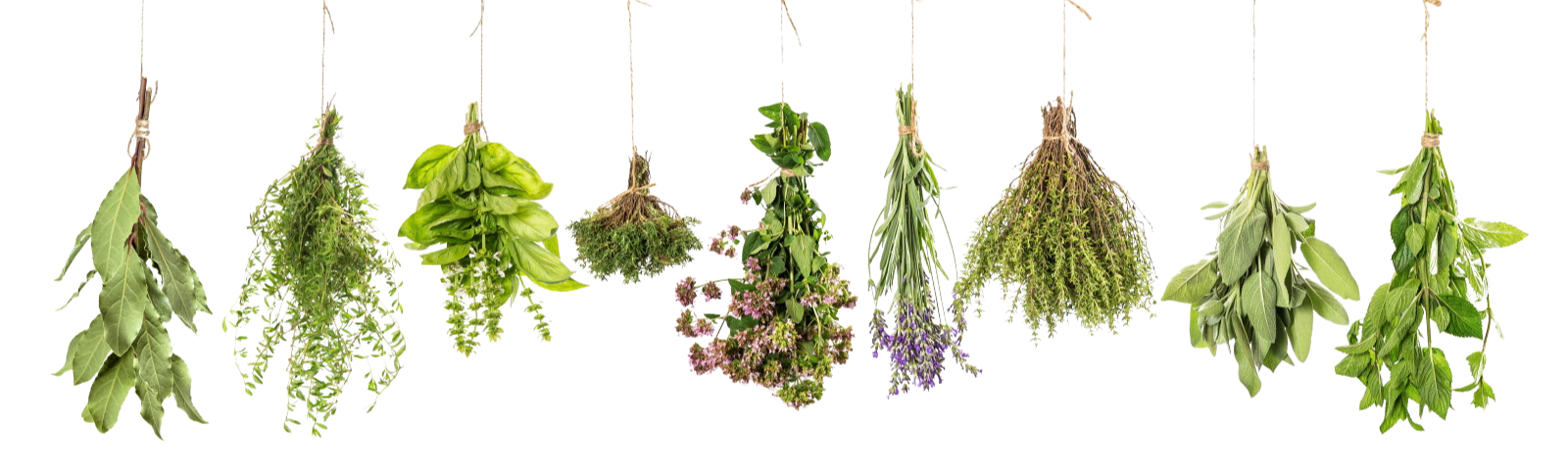
Herbal Supplements For A Healthier Life

Botanical & Identity

Botanical Name

Ocimum basilicum

Common Names

Basil, Sweet Basil, Common Basil

Plant Family

Lamiaceae (Mint family)

Part Used

Leaves, flowering tops, essential oil

Taste Profile

Aromatic, sweet, slightly spicy

Energetics

Warming, uplifting, mildly drying
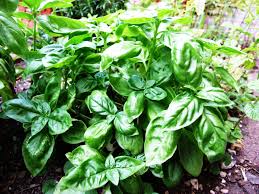
Basil

Summary & Classification

Short Summary

Basil is a widely used culinary and medicinal herb with antimicrobial, carminative, and mood-enhancing properties. Rich in volatile oils, it has traditionally been used to soothe digestion, relieve headaches, calm the nerves, and fight infection.

Herb Actions

antimicrobial, anti-inflammatory, antioxidant, nervine tonic, carminative

Herbal Category

digestive herb, nervous system tonic

Medicine System

ayurveda, western, traditional mediterranean medicine

Active Ingredients

Linalool
,
Eugenol
,
Methyl Chavicol
,
Rosmarinic Acid
,
Essential Oils
.

Chemistry & Effectiveness

Active Ingredients

Mechanism of Action

Basil’s essential oils act as mild muscle relaxants in the digestive tract, ease gas and cramping, and inhibit bacterial and fungal growth. Antioxidant compounds support detoxification and reduce oxidative stress.

Modern Applications

Used for bloating, indigestion, tension headaches, anxiety, low mood, and mild infections. Also popular in essential oil form for aromatherapy and topical use.

Traditional Uses & Preparation

Traditional Uses

Used in Mediterranean and Indian traditions for indigestion, skin conditions, chest congestion, fever, and mental clarity. Tulsi (Ocimum sanctum) is a sacred variety in Ayurveda.

Preparation & Usage

Infused as tea, used fresh or dried in food, extracted into tinctures or oils. Steam inhalation or topical application of essential oil also common.

Recommended Dosage

Tea: 1–2 tsp dried leaf per cup, up to 3x/day; Tincture: 2–4 ml, 2x/day; Essential oil: diluted, topical or diffuser use only

Safety & Warnings

Contraindications

Use essential oil with caution in pregnancy and avoid internal use unless professionally advised.

Drug Interactions

None significant at culinary or standard therapeutic doses.

Pregnancy & Lactation

use only under professional supervision.

Side Effects

Rare. Some individuals may experience allergic reactions to essential oil or fresh leaf.

Scientific & Source Info

Scientific References

– Vieira, R.F. & Simon, J.E. (2000). Chemical characterization of basil cultivars. – Kifer, D. et al. (2021). Antimicrobial activity of basil essential oils and their application in food systems.

Sourcing Notes

Grows well in warm climates. Leaves harvested before flowering for peak oil content. Can be dried, tinctured, or steam-distilled for oil.

Product Linkage

Used In Products

Ear Problems_capsules

Ear Problems capsules 120’s

R440.00