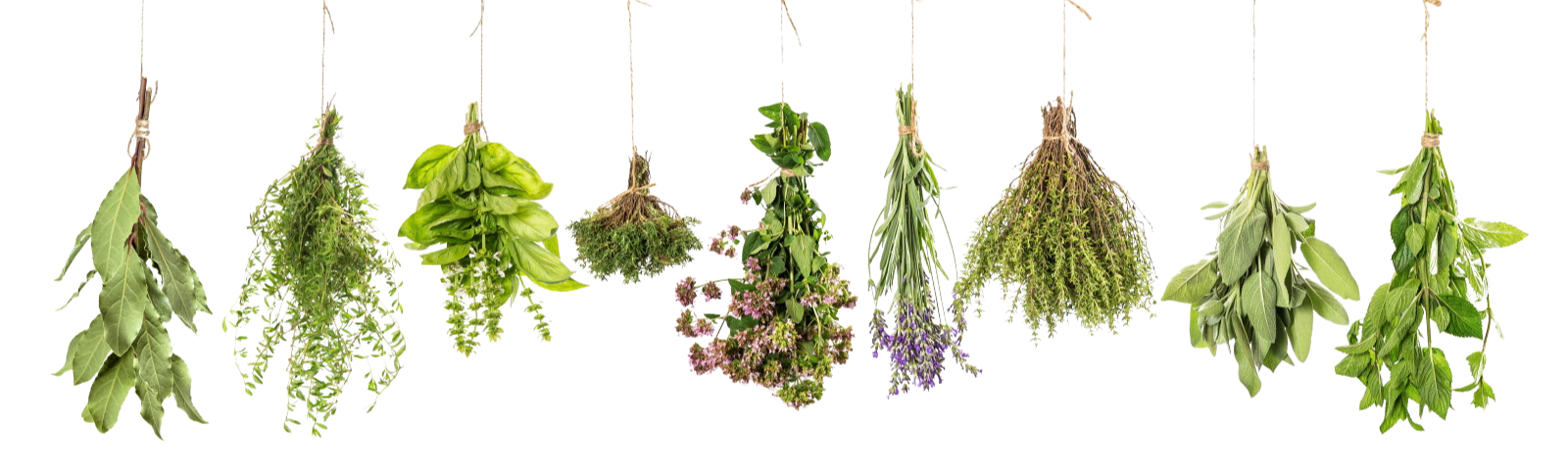

Herbal Supplements For A Healthier Life

Botanical & Identity

Botanical Name

Prunus dulcis

Common Names

Almond, Sweet Almond

Plant Family

Rosaceae

Part Used

Seed (nut), Oil

Taste Profile

Mild, nutty, slightly sweet

Energetics

Moistening, cooling, nourishing
Almond

Summary & Classification

Short Summary

Almonds are nutrient-rich seeds valued for their oil, protein, and vitamin E content. Traditionally used to nourish the skin, support digestive and cardiovascular health, and build strength, almonds are both a food and a medicinal agent in many traditional systems.

Herb Actions

nutritive, emollient, demulcent, mild laxative, cardioprotective

Herbal Category

nutritive herb, culinary medicinal

Medicine System

ayurveda, western, traditional persian medicine

Active Ingredients

Vitamin E
,
Monounsaturated Fats
,
Plant Sterols
,
Magnesium
,
Protein
,
Fibre
.

Chemistry & Effectiveness

Active Ingredients

Mechanism of Action

Almonds support cardiovascular and skin health through antioxidant activity, healthy fat content, and anti-inflammatory properties. The oil soothes tissues internally and externally. Also supports glycaemic control and satiety.

Modern Applications

Used to support heart health, nourish dry skin, assist bowel regularity, and provide protein and nutrient density in wellness diets. Almond oil is used in massage therapy, skincare, and as a carrier oil in herbal formulations.

Traditional Uses & Preparation

Traditional Uses

Used traditionally as a tonic for strength and vitality, to soothe inflamed mucous membranes, nourish the lungs, and support reproductive health. Sweet almond oil was a classical remedy for dry skin and internal dryness.

Preparation & Usage

Eaten raw or roasted, ground into meal, used in milk or oil form. Almond oil is used both internally and externally.

Recommended Dosage

5–15 almonds/day; Almond oil: 5–10 ml orally or applied topically as needed.

Safety & Warnings

Contraindications

Avoid bitter almonds unless properly processed (contain toxic cyanogenic compounds). Not suitable for individuals with nut allergies.

Drug Interactions

Minimal, though high intake of almond oil may influence absorption of fat-soluble medications.

Pregnancy & Lactation

safe

Side Effects

Overconsumption may cause digestive upset or weight gain due to high caloric density. Rare allergic reactions possible.

Scientific & Source Info

Scientific References

– Jenkins, D.J. et al. (2002). Almonds reduce postprandial glycaemia and increase satiety. – Spiller, G.A. et al. (1992). Effect of a diet high in monounsaturated fat from almonds on plasma cholesterol and lipoproteins.

Sourcing Notes

Cultivated globally; main sources include California, Spain, and Mediterranean regions. Cold-pressed almond oil is preferred for therapeutic use.

Product Linkage

Used In Products

Bath Oil Exquisite

Bath Oil Sensitive Luxury 100ml

R275.00